
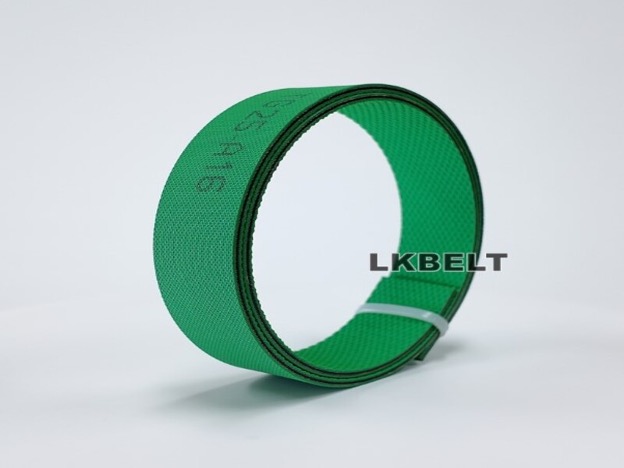
Transmission belts are a fundamental part of modern mechanical systems, quietly working behind the scenes to keep machines running efficiently. Whether in vehicles, industrial equipment, or agricultural machinery, these belts play a vital role in transferring power from one rotating shaft to another. Without them, many of the machines we rely on every day would not function as smoothly or effectively as they do.
At a basic level, a transmission belt is designed to connect two or more rotating components, allowing energy to move between them. This energy transfer enables different parts of a machine to work together in a coordinated way. While the concept may sound simple, the impact of transmission belts is significant, as they help control motion, improve efficiency, and reduce mechanical stress across a wide range of applications.
There are several types of power transmission belts, each designed for specific purposes and operating conditions. Among the most widely used are V-belts, which are easily recognized by their trapezoidal or V-shaped cross-section. This unique shape allows the belt to sit firmly within the grooves of a pulley, increasing friction and minimizing slippage. Because of this strong grip, V-belts are highly effective in transferring power, especially in situations where consistent performance is required. You will commonly find them in car engines, industrial machines, and even air conditioning systems, where reliability is essential.
Another important category is timing belts, also known as synchronous belts. Unlike V-belts, timing belts feature teeth along their inner surface. These teeth fit precisely into matching grooves on the pulleys, ensuring that movement between components remains perfectly synchronized. This level of precision is especially important in systems where timing is critical. For example, in vehicle engines, timing belts ensure that the camshaft and crankshaft rotate in harmony, allowing the engine to operate smoothly. They are also widely used in conveyor systems and automated machinery, where accurate coordination between moving parts is necessary.
The functions of transmission belts go far beyond simply connecting components. One of their primary roles is power transfer. By linking rotating shafts, transmission belts allow mechanical energy generated by a motor or engine to be distributed to other parts of a system. This makes it possible for machines to perform their intended tasks efficiently, whether that involves moving materials, driving tools, or powering auxiliary systems.
Another key function is speed control. Transmission belts provide a flexible way to adjust the speed of machinery without requiring complex mechanisms. By changing the size of the pulleys or modifying the tension of the belt, operators can influence how fast different parts of a machine rotate. This is particularly useful in applications where precise speed adjustments are necessary, such as in manufacturing processes or specialized equipment.
In addition to power transfer and speed regulation, transmission belts also help with vibration damping. Machines naturally produce vibrations during operation, and if these vibrations are not managed, they can lead to increased wear and tear on components. Transmission belts absorb a portion of these shocks, reducing the strain on the system and extending the lifespan of the equipment. This ability to cushion mechanical stress makes them an important factor in maintaining overall system durability.
The practical applications of transmission belts can be seen across a wide range of industries. In the automotive sector, they are used extensively within engines and supporting systems. Transmission belts drive essential components such as alternators, water pumps, and air conditioning compressors. One of the most critical uses in vehicles is the timing belt, which ensures that the engine’s internal movements remain perfectly synchronized. Without it, the engine would not be able to function correctly.
In industrial settings, transmission belts are equally important. They are commonly used in conveyor systems that transport materials through production lines, helping to streamline manufacturing processes. Packaging plants and assembly lines also rely on these belts to maintain consistent movement and coordination between different stages of production. Their ability to handle continuous operation makes them ideal for demanding industrial environments.
Agriculture is another field where transmission belts play a crucial role. Modern farming equipment depends on efficient power transmission to perform various tasks. Machines such as tractors, combines, and balers use belts to drive key functions and attachments. This ensures that farm operations run smoothly, allowing farmers to work more efficiently and manage their workloads effectively.
As technology continues to advance, transmission belts are also evolving. Manufacturers are constantly developing new materials and designs to improve performance, durability, and efficiency. Modern belts are often made from high-strength composites that resist wear, heat, and environmental factors. These improvements help extend service life and reduce maintenance requirements, making them more reliable than ever before.
Here is some High speed power transmission belt available online:
1. PU Elastic Transmission Belt for Photovoltaic Industry UU17E-E6-B-ZT
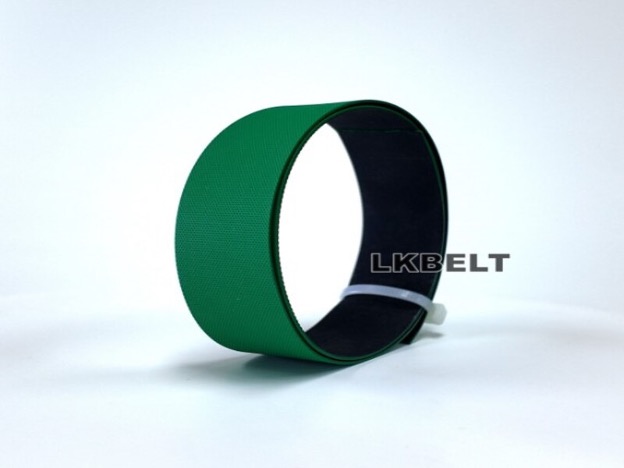
For the UU17E-E6-B-ZT product, provide the complete reference and identify the installed belt position on the photovoltaic equipment. Include the required dimensions, product-contact surface and any electrical requirements in the enquiry.
2. Nylon flat perforated transmission belt
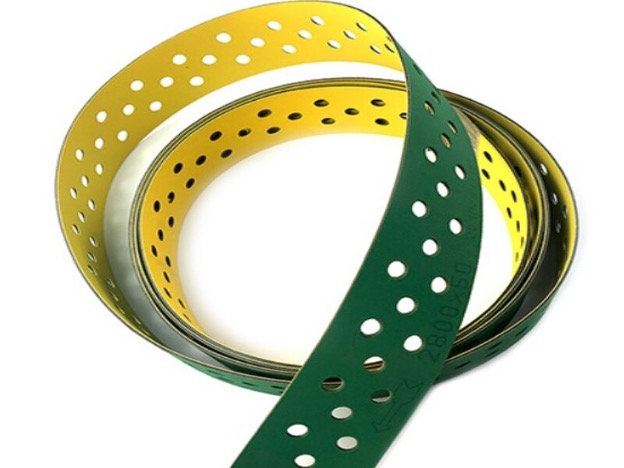
For a perforated flat belt, show the hole diameter, spacing and pattern on a drawing. Include the belt dimensions, joint and machine position so the perforations can be specified as part of the finished belt.
3. Anti-static Polyester Conveyor Belt for Textile Industry TC25-LK
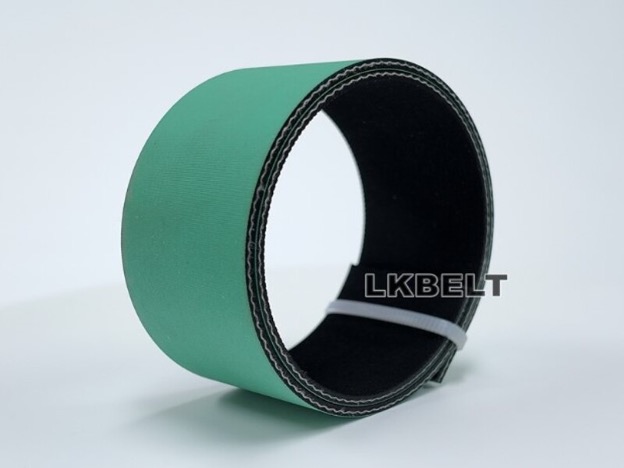
Our TC25-LK product page includes photographs of the green surface, dark fabric underside and edge. Include the full model reference and the machine position when requesting a replacement, together with finished dimensions and the required electrical specification.
4. Black PU Elastic Transmission Belt for Photovoltaic Industry UU17E-E6-B-ZT
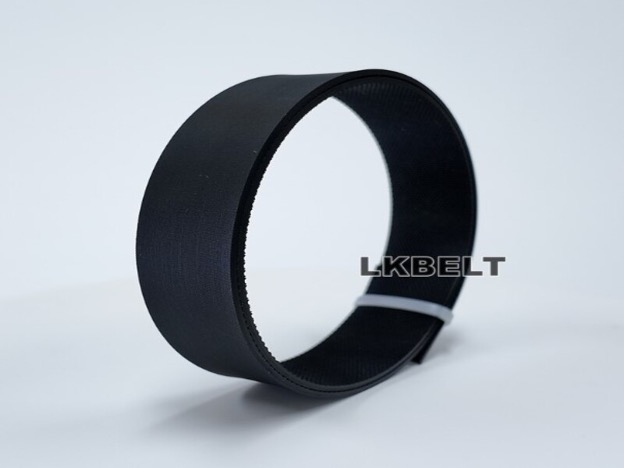
Identify the black UU17E-E6-B-ZT belt by its complete reference, dimensions and installed position. Include photographs of both faces and the edge when comparing it with the original belt.
5. Black&Grey PU Elastic Transmission Belt Bottom Conductive for Photovoltaic Industry UU17E-E6-G&G
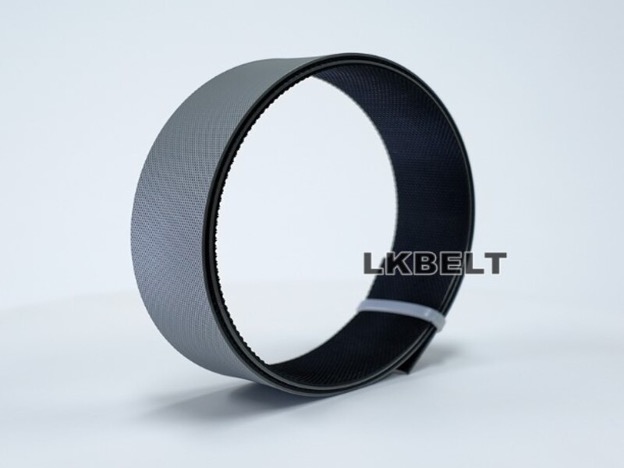
For the UU17E-E6-G&G construction, identify the face that contacts the machine and the face that carries the product. Include the original reference, dimensions and required electrical properties with your enquiry.
A closer look at an LKBELT flat transmission belt
The TG15 sample shows its green outer face, dark fabric inner face and belt edge. These are useful views to include when identifying a replacement, alongside the original model and finished dimensions.
For a replacement enquiry, photograph both faces and the joint, and identify the machine position. Include the required width, length reference and thickness.
View TG15 product details ›In the end, transmission belts are more than just simple connectors between rotating parts. They are essential elements that enable machines to operate efficiently, control speed, and withstand the stresses of continuous use. As industries continue to grow and innovate, the role of transmission belts will remain just as important, adapting to new challenges while maintaining their core purpose of reliable power transmission.