
Find the belt for your machine
Explore belt options around the job, the installed position and the conditions your equipment needs to handle.
Start with the equipment
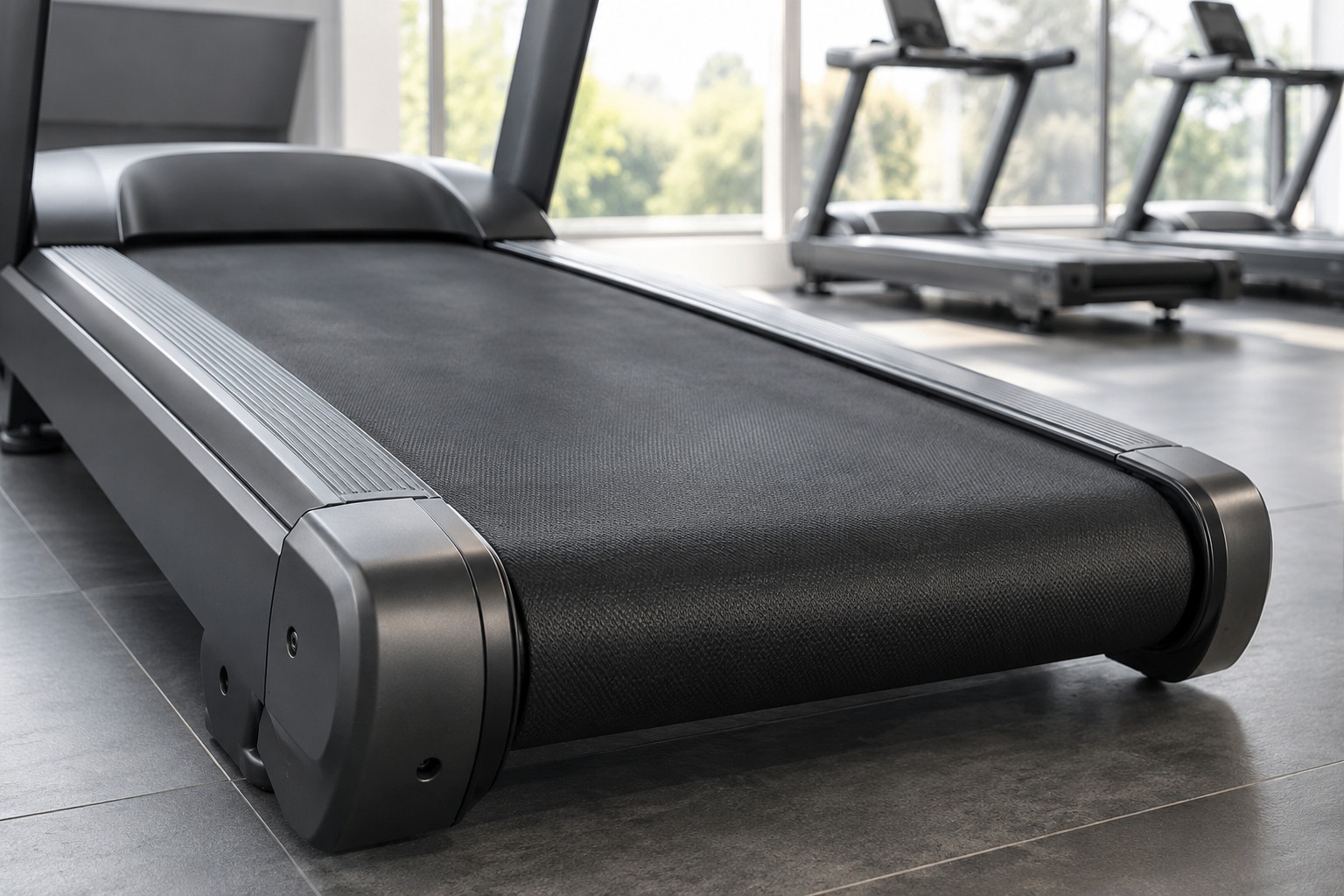
Treadmills
Match the running surface, underside and finished dimensions to the treadmill.
Explore application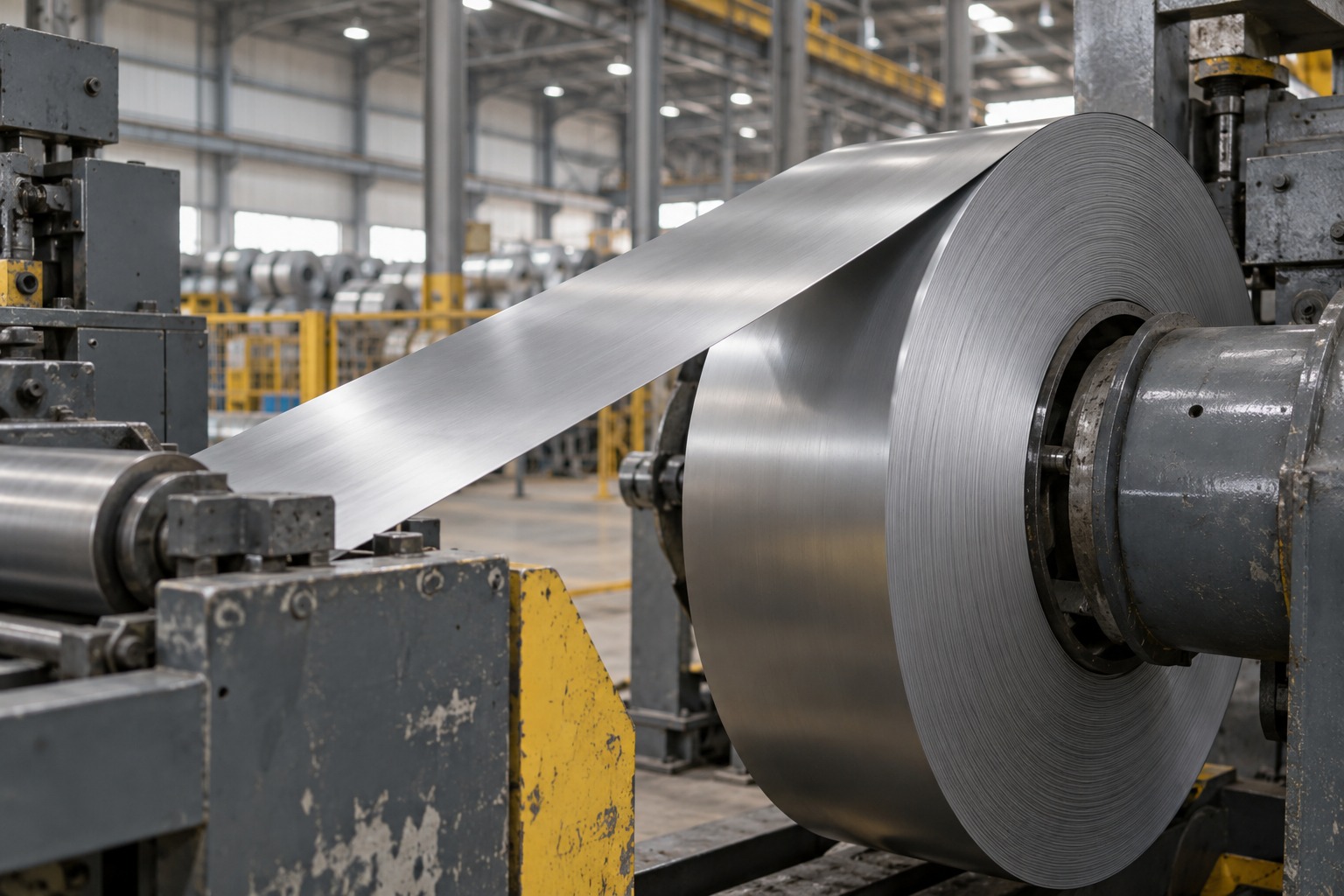
Metal Coil Processing
Distinguish coil wrapping from slitting-line tensioning before choosing a belt.
Explore application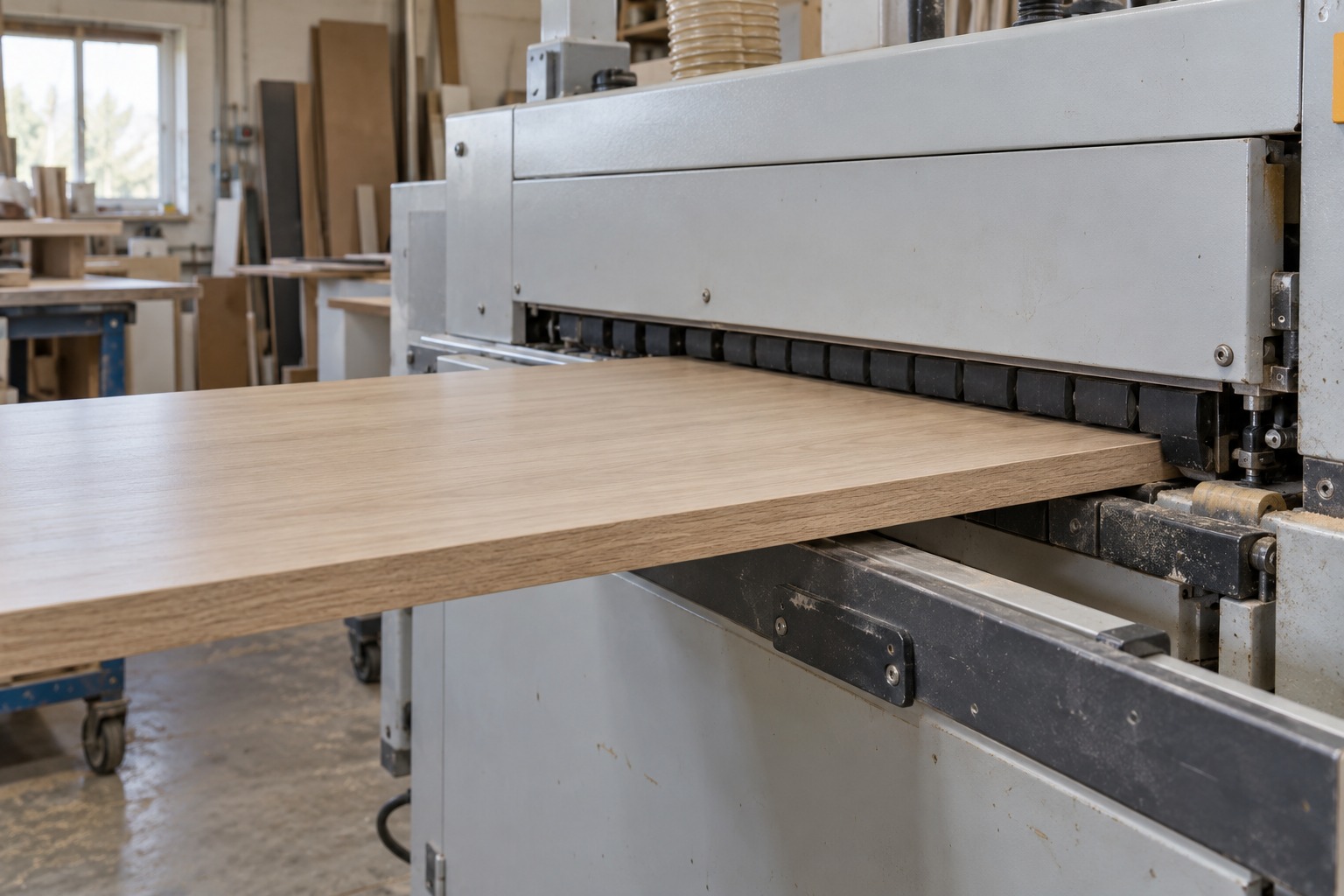
Woodworking & Edge Banding
Identify the feed, pressure or drive component and its original part reference.
Explore application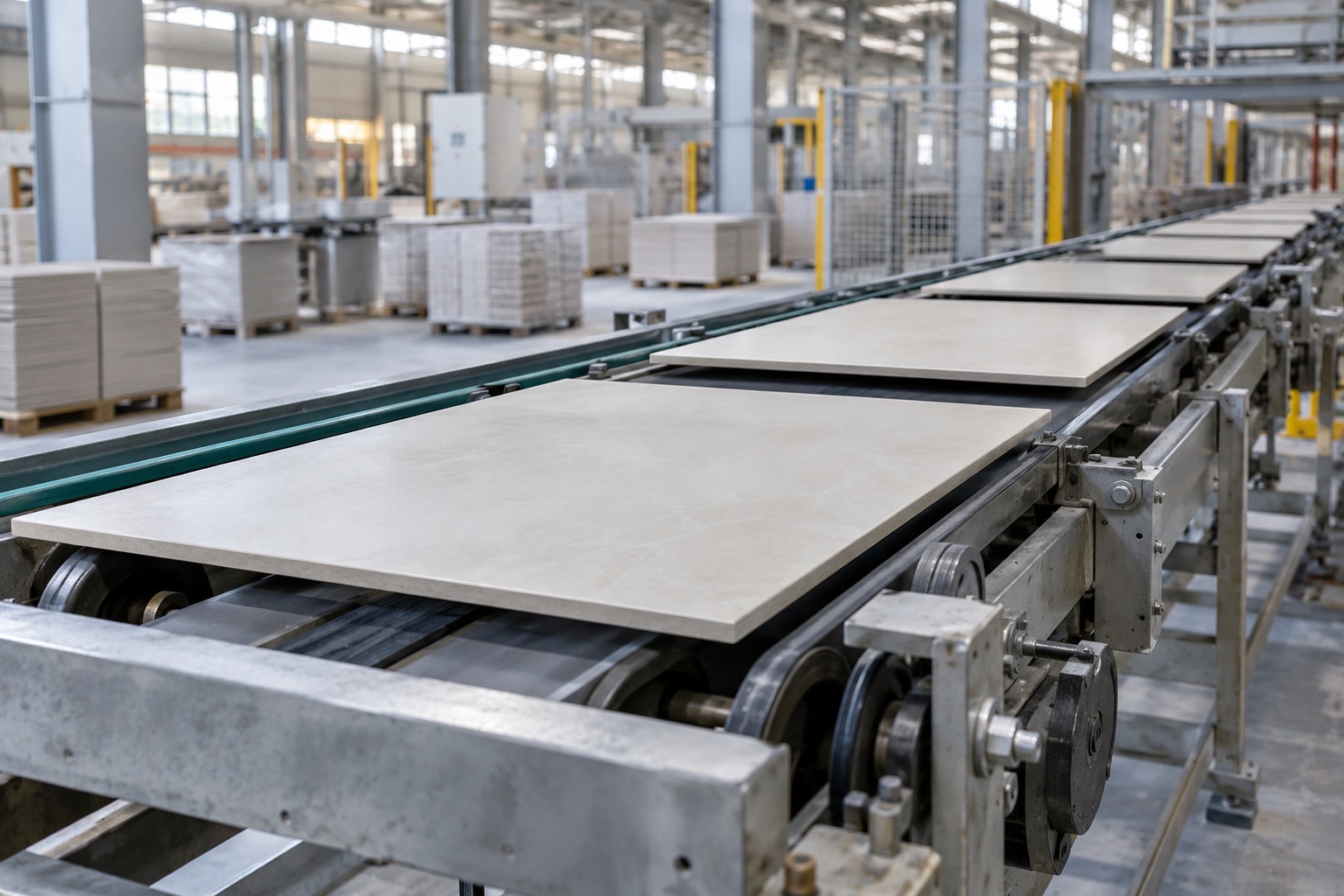
Ceramic Industry
Share your process, machine position and working conditions for an application review.
Explore applicationFrom the machine to a useful specification
Identify the position
Tell us which component is involved and how it works on the machine. A drawing or installed photograph is a useful starting point.
Describe the conditions
Include the material in contact, speed, temperature and oil or water exposure, together with any replacement issue.
Prepare the reference
Provide the original belt code, finished dimensions and quantity. Keep used-belt measurements separate from the requested new specification.
Explore the belt families
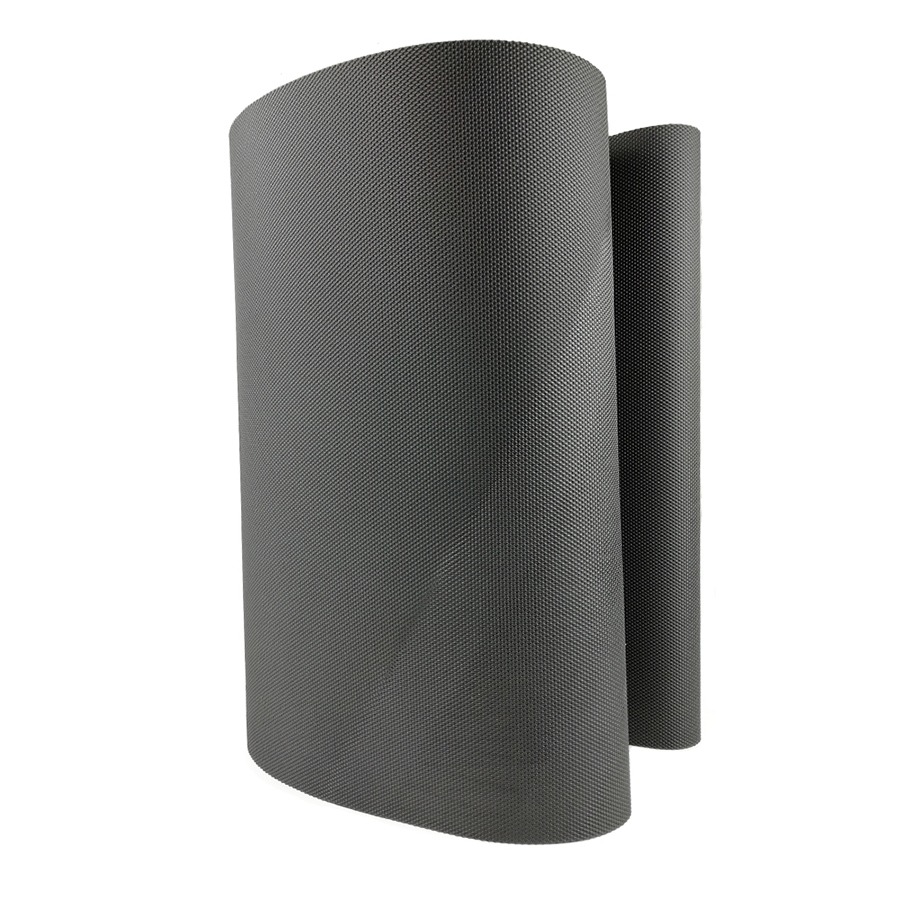
One industry can need more than one belt
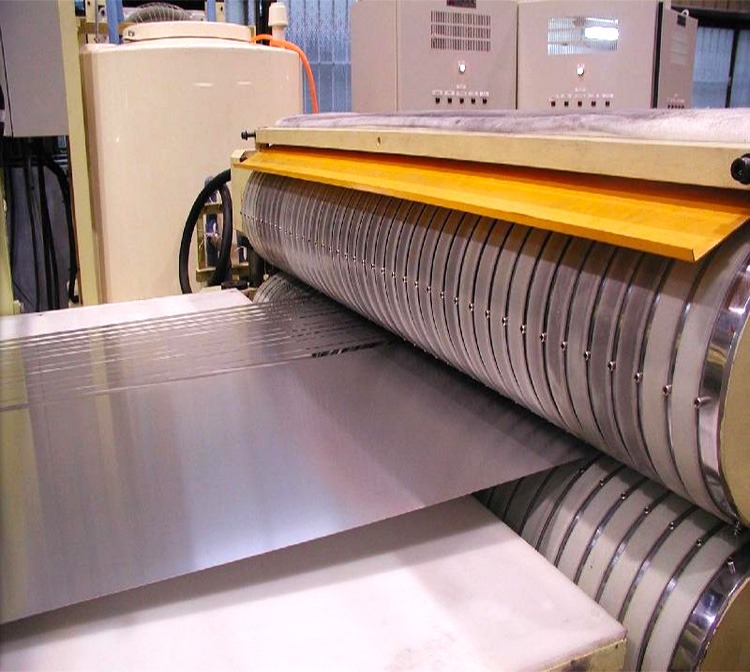
Metal coil processing
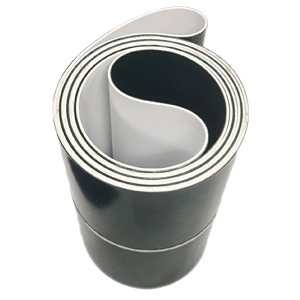
A wrapper belt helps at the start of coiling. Slitting tension belts work at a different station on passing strip. Identify the installation before comparing belt construction.
Compare the two positions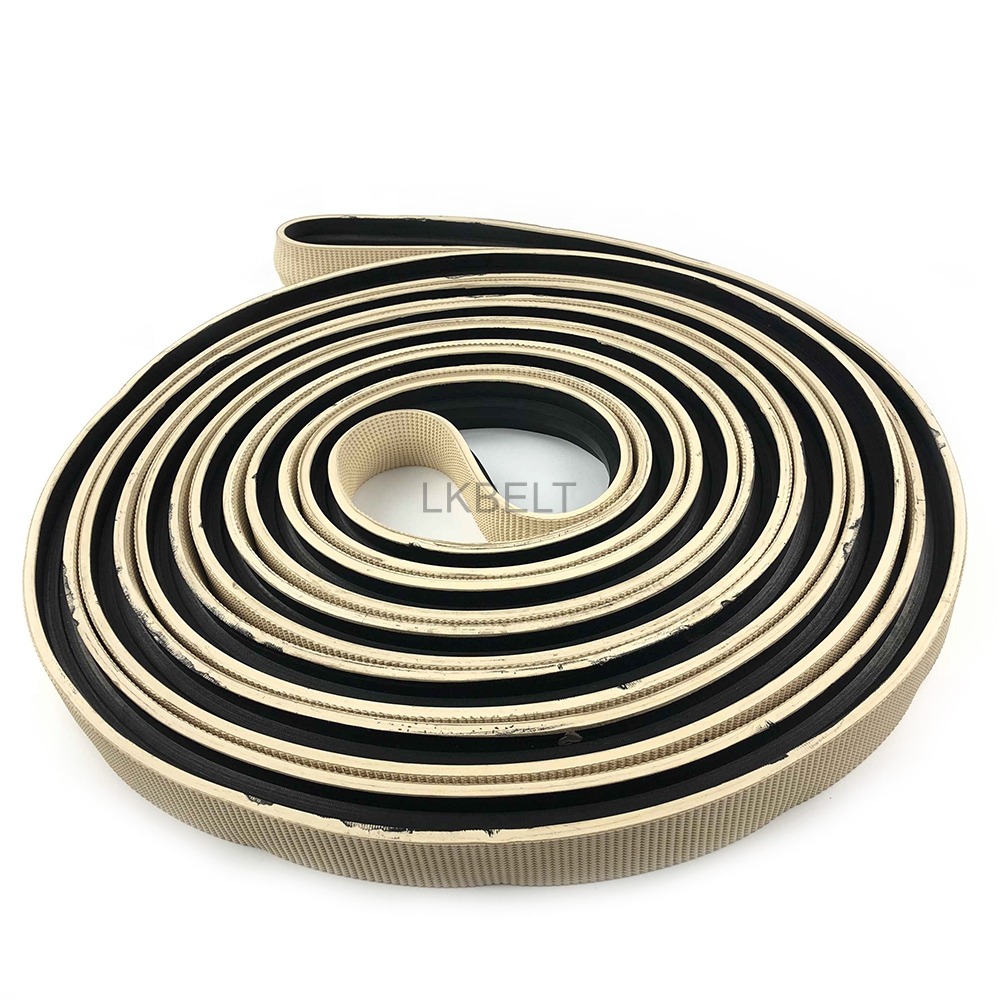
Woodworking & edge banding
Feed, pressure and drive positions use different component references. Show the installed belt and its panel-contact face, then match the dimensions and attachment details.
Identify your componentWhat should you bring to each application?
| Your application | Start with | Then add |
|---|---|---|
| Treadmills | Running belt or motor drive component; machine model and original reference. | Full circumference basis, width/thickness, both faces, joint and deck maintenance system. |
| Metal coil processing | Wrapper or slitting tension station; station drawing and original belt code. | Strip material/finish, fluid conditions, contact temperature, belt dimensions and any set requirements. |
| Edge banding | Feed, pressure or drive position; machine part number and component photo. | Panel details, profile/teeth, holes/pads, dimensions and operating environment. |
| Ceramic industry | Actual process, machine position, product handled and existing belt reference. | Dimensions, contact surface, temperature, water/glaze/abrasive exposure and duty. |
Choose the route that fits your request
You know the belt or part reference
Start with the matching product family and retain the exact code. Use the application page to connect the component with the machine conditions.
- Provide the original part number or product reference and the drawing revision.
- Include the installed position, dimensions and units, along with the required quantity.
- State which details come from original documentation and which were measured from a used belt.
- Keep the machine configuration, contact material and maintenance context with the reference.
You are identifying an unfamiliar component
Start with the installed position and photographs rather than guessing a material or belt name. A clear visual record can help separate the component from neighbouring parts.
- Take an overall view locating the belt on the machine, then both faces and any markings.
- Describe what the component moves, supports, presses or drives and the material it contacts.
- Record the available dimensions with a stated method; add teeth, pads, holes or guides if present.
- Include the observation that prompted the inquiry and the operating conditions you already know.
Understand what each belt needs to do
Treadmills: two different contact faces
Review shoe contact on the running surface separately from the underside/deck interface. Then connect construction, finished dimensions, joint and roller arrangement.
Metal coil processing: different positions and layer roles
Separate the wrapper from the slitting tension station. Relate cover, reinforcement and machine-side requirements to the strip surface, fluids and belt path.
Edge banding: the panel and the component work together
Match working-face requirements with panel finish, and profile/attachment geometry with the original machine reference. Keep material choices and sample evaluation in the same record.
Let’s discuss your belt requirements
Share the machine reference, installed belt position, dimensions and quantity you already have.
Useful details to have ready
- Machine model and original belt or part reference
- Length or circumference, width and thickness, with units
- Working conditions and the reason for replacement
View the inquiry preparation checklist
LKBELT — APPLICATION INQUIRY PREPARATION SHEET

1. MACHINE & PART IDENTIFICATION
Application:
Machine brand / model:
Machine section / installed belt position:
Original belt code / part number:
Drawing number / revision:
Required quantity / replacement or new machine:

2. DIMENSION RECORD (state units, preferably mm)
Full loop circumference:
Measurement basis (inside / outside / drawing / other):
Condition (new specification / used belt / installed belt):
Measurement method and instrument:
Width / measurement location:
Thickness / measurement locations / wear variation:
Teeth, pitch or cross-section if applicable:
Holes, pads, guides or other features:
Requested finished dimensions (keep separate from measured used-belt values):
Do not apply a universal length deduction, stretch allowance or tension value.

3. OPERATING CONDITIONS
Material handled / product dimensions or weight:
Speed and source of value (manual / measured / estimate):
Contact temperature and duration:
Oil / water / glaze / chemical / abrasive exposure:
Duty hours and load requirement:
Roller or pulley information from machine drawing:
Maintenance / lubrication system specified by machine maker:
Observed issue, when it started and recent maintenance:

4. APPLICATION-SPECIFIC INFORMATION
Treadmill: running belt or motor drive belt; deck condition; surface and underside.
Coil processing: wrapper or slitting tension position; strip material and surface;
dry or oil operation; station arrangement; paired belts if applicable.
Edge banding: feed/conveyor, upper pressure or drive position; machine part number;
teeth/holes/pads and panel contact face.
Ceramic: actual process, product handled, belt function and existing code;

5. LABELLED REFERENCE PHOTOS / DOCUMENTS TO PREPARE
A — machine label
B — whole installation and belt position
C — belt top / contact face
D — underside / tooth face
E — joint and markings
F — width, thickness and length measurement method
G — original drawing or machine manual reference
Disconnect power before physical inspection and follow the machine service manual.

6. COMMERCIAL REQUEST
Delivery destination:
Requested quantity / sample requirement:
Required date:
Packaging requirement:
Ask for MOQ, production lead time and transport time separately.
Confirm the final product construction and finished specification before ordering.
Get a Quote
Send your machine reference, belt dimensions and operating conditions. Add your required quantity and any available drawing.
Get a QuotePrefer to contact our team directly? Contact LKBELT