
Conveyor Belts for Food Processing
Build the specification around the food, the contact conditions and the cleaning cycle. Explore belt options for produce handling, meat and seafood, bakery transfers and packaged-food conveying.
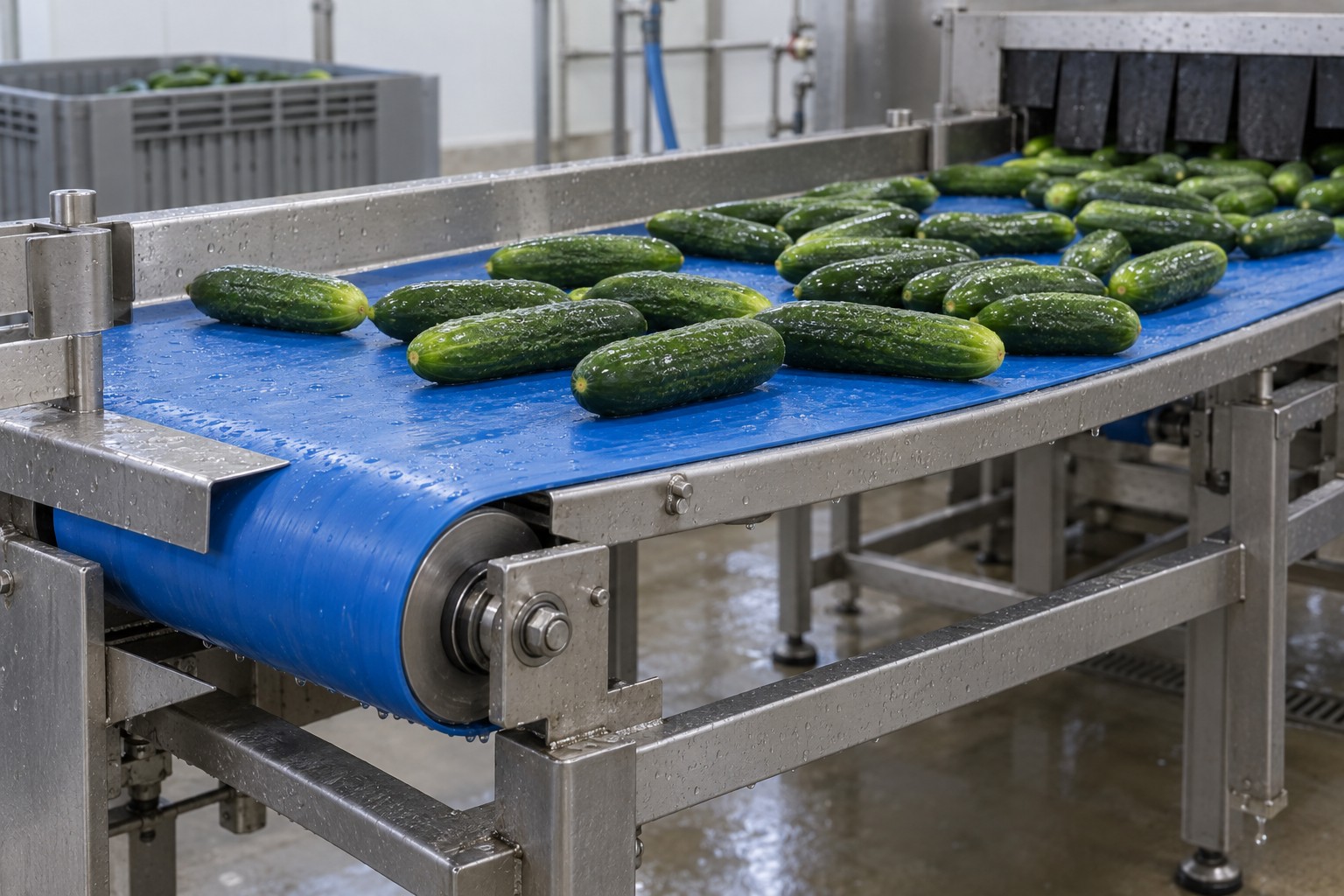
Start with the food and its condition
A food-processing belt may handle wet raw ingredients, sticky dough, a cooled finished product or a sealed pack. Record which of these contacts the surface and at what stage of production. The same nominal belt size can describe very different duties.
Keep the production and cleaning conditions in the same specification. Include food type, contact temperature and time, fats or oils, water, cleaning chemistry and the intended destination market. The finished belt and its joint should be reviewed together.
Produce preparation
Identify sorting, washing, trimming and transfer duties, with water and debris exposure.
Meat & seafood
Record raw or processed condition, fat contact, moisture and cleaning requirements.
Bakery handling
Separate dough handling, cooling and packing from the oven transport system.
Final packaging
Distinguish unpackaged-food contact from sealed-pack conveying and accumulation.
Match the belt to the food-handling operation
| Machine position | Belt duty | Selection priorities |
|---|---|---|
| Sorting and inspection | Presents ingredients for checking and manual or automatic separation. | Product dimensions, surface contact, wet conditions and cleaning access. |
| Inclined conveying | Carries product against gravity within the machine layout. | Incline, product behaviour, cover texture, cleats, transfer and return path. |
| Dough and bakery transfer | Supports release and movement between defined operations. | Dough condition, flour or oil, temperature, nose geometry and cleaning method. |
| Packaged-food handling | Moves closed packs through downstream equipment. | Pack underside, weight, speed, accumulation and contact with cleaning products. |
Connect the application to the belt construction
Our food-handling belt range includes PU, PVC, canvas and modular constructions. Begin with the original construction and the operation, then request the documentation and finished details for the intended contact use.
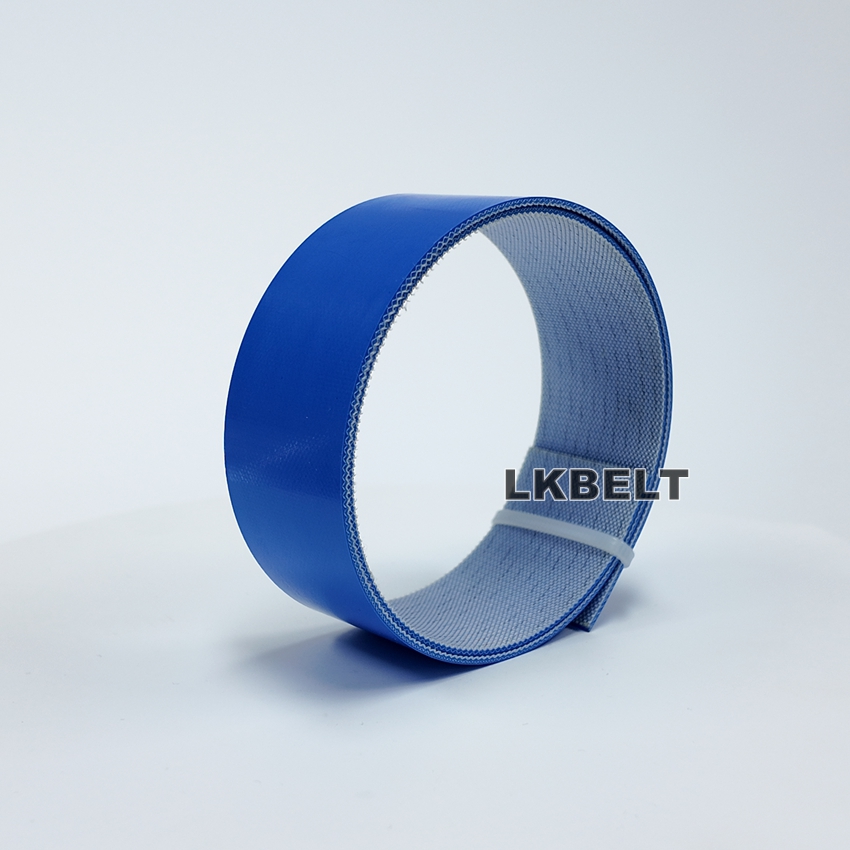
PU conveyor belts
Compare working-face finish, reinforcement, joint and any profiles around the food and cleaning cycle.
Explore product family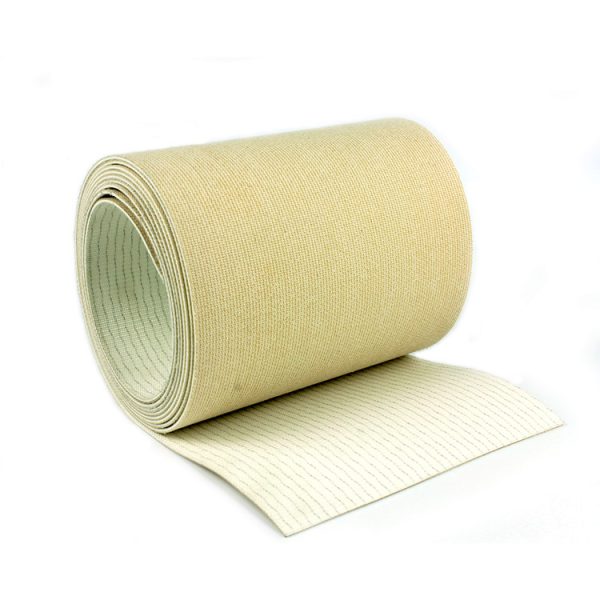
Food-grade canvas belts
Discuss a canvas belt construction for your bakery or food-handling position, with the product contact and cleaning procedure specified together.
Explore product family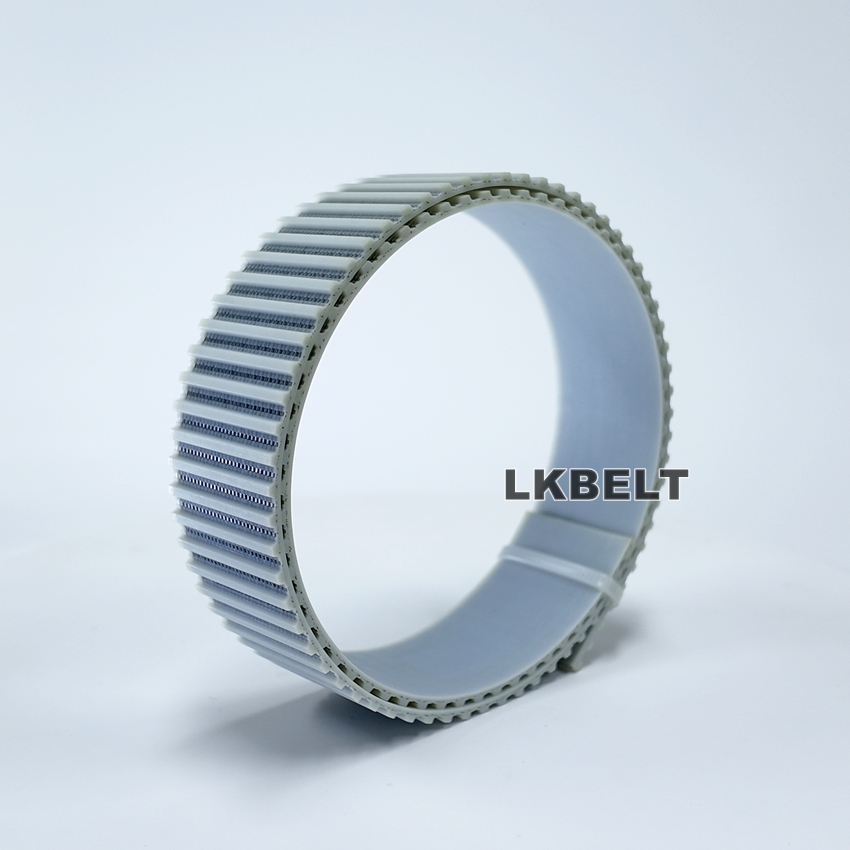
Timing belts for machine drives
Identify drive and positioning components separately from direct-food-contact conveying surfaces.
Explore product familyFood contact is more than the top cover
Product release
Describe whether sticking happens continuously or at the handover. Include the actual recipe or product condition relevant to the trial, any flour or oil and the transfer geometry. Compare release using representative production samples.
Belt edges and profiles
Show the original edge condition, cleats, sidewalls and guides. Include these finished features in the quotation and documentation review, since they change the surfaces exposed to food and cleaning.
Conveyor access
Document the support bed, return path, scrapers and access for cleaning. A replacement belt needs to work with the hygiene and maintenance procedure of the complete conveyor.
Specify the cleaning cycle as carefully as production
Food and operating temperature
Record product and contact temperatures separately, including duration and start/stop conditions. State whether the duty is chilled, ambient or near a hot process; identify actual oven components by their own reference.
Cleaning chemistry
Provide detergent and sanitizer names, concentration, temperature, application time and frequency. Review compatibility for the proposed construction, joint and finished accessories using these conditions.
Wet product and drainage
Describe retained water, product fragments and how the line drains. Confirm the conveying surface and transfer arrangement with the actual product; changing a pattern can also change cleaning access.
Food-contact documentation
Request the declaration and supporting information for the selected finished reference and intended use. Keep the food type, temperature/time and market requirements with that request so the documentation review is specific.
Balance product handling with cleanability
| Decision | What to compare | What to send |
|---|---|---|
| Smooth or textured face | Release, grip, product impressions and access for cleaning. | Actual product, original texture and cleaning procedure. |
| Flat belt or profiled belt | Incline retention against handover geometry and cleaning around profiles. | Incline drawing, product sizes and cleat/sidewall dimensions. |
| Fabric-based or modular construction | Original conveyor design, support, drive and maintenance access. | Original reference, drive layout, support and required openings. |
| Production and washdown | Both exposure cycles, including joint and fitted accessories. | Contact conditions and complete chemical/temperature schedule. |
Define the finished belt, including accessories
Use a dimensioned drawing for cleats, sidewalls, guides or perforations. Keep food-contact documentation linked to the final construction rather than relying on a colour or a short catalog name.
| Specification | Record this information | Why it matters |
|---|---|---|
| Finished loop | Length basis, width, thickness, working face and underside. | Connects the replacement to the existing conveyor. |
| Joint | Original joint method, location or access constraints and surface requirements. | Supports installation and review of the finished contact surface. |
| Profiles and edges | Cleat spacing/height, sidewalls, guides and edge details. | Defines transfer clearances and the surfaces to clean. |
| Drive and bends | Drive type, pulley diameter, reverse bends and transfer nose. | Identifies the machine path the belt must follow. |
Describe what happens to the food and the belt
Sticking at discharge
Show where separation fails, product condition and any residue on the face. Record the discharge nose, receiving surface and production temperature before comparing cover options.
Edge damage or exposed fabric
Photograph the edge, guides and nearby structure. Record the cleaning and inspection finding and follow the site’s hygiene procedure while the construction and installed cause are reviewed.
Slipping on an incline
Record loading, water or oil, incline angle and starts/stops. Include product size variation and cleat or texture details; the belt face and machine arrangement need to be evaluated together.
Agree a sample review around your process
Agree the contact duty
Define food type, temperature/time, destination requirements and finished belt construction. Obtain the documentation needed for the intended contact use as part of sample approval.
Confirm fit and handling
Check joint, guides, profiles, bends and handovers using the machine procedure. Trial representative product sizes and the required production conditions.
Include a cleaning cycle
Evaluate the proposed belt with the site’s approved cleaning procedure. Record chemistry, temperature, access, residue observations and the condition of edges and joints.
Approve repeat supply
Retain the accepted drawing, construction, documents and trial record. Confirm quantity, packaging, destination and replacement timing against that approved reference.
Food conveyor belt questions
Does a blue or white belt automatically meet food-contact requirements?
Colour helps identify appearance; it does not establish the intended contact suitability. Request documentation for the finished belt reference and your food, time and temperature conditions.
Can the food-grade range be used inside an oven?
Identify the actual oven component and its temperature duty separately. A bakery transfer or cooling belt is selected for its own position, with the joint and construction included.
What cleaning details should I provide?
Send chemical names, concentrations, temperature, contact time and frequency, together with the cleaning method and original belt details.
Can cleats or sidewalls be added?
Provide a drawing with the required geometry and clearances. Review the accessory material, attachment, bends, transfer and food-contact/cleaning requirements with the finished belt.
What is needed for a replacement quote?
Send the original code, dimensions, underside and working-face photographs, machine position, food/contact conditions, quantity and destination.
Specify the belt around your food process
Tell us the food, operation and exact belt position. Include direct or packaged contact, temperatures, cleaning details, dimensions and any guides, cleats or sidewalls.
If food-contact documentation is required, include the destination market and intended contact conditions with the request. Add your sample approval requirements and order quantity.
Send your drawing or original belt reference
Include the quantity, delivery destination, replacement schedule and any sample approval requirements. Clear photographs of the working face, underside and installed position help us review the construction.
Get a Quote