
Belts for Stone & Marble Processing
Review conveying and positioning belts around the stone format, support arrangement and processing conditions. Define the duty for slab transfer, finishing equipment and downstream handling.
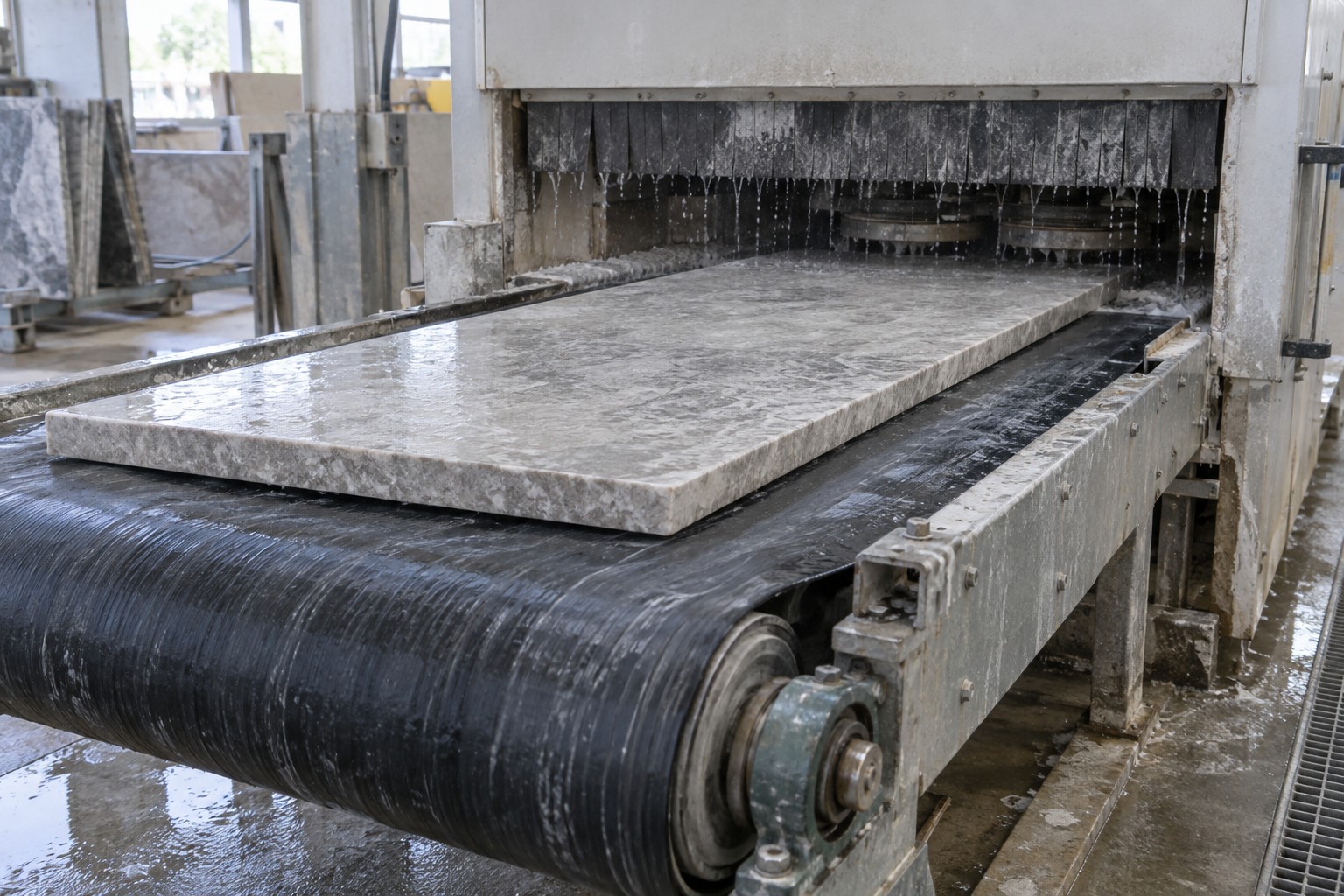
Identify the belt within the stone-handling sequence
Stone-processing equipment can use a broad supporting belt, narrow transport components and separate synchronous drives. Locate the exact component and its function before comparing constructions. The material name alone does not describe the required belt.
Record the stone type, dimensions, thickness and supported face, together with the machine process. Distinguish natural stone from engineered materials and include normal format variation. The replacement review should cover loading, the working zone and unloading.
Loading & transfer
Document how slabs or cut pieces reach the belt and cross each handover.
Finishing position
Identify conveying and pressure components around the working zone.
Wet or dry handling
Describe water, slurry, dust and actual cleaning conditions by station.
Sorting & packing
Review support for smaller finished pieces and downstream transfers.
Define the load path and the motion separately
| Machine position | Belt duty | Selection priorities |
|---|---|---|
| Slab transfer conveyor | Carries the product between handling or processing stages. | Product mass, footprint, loading, support and handover geometry. |
| Finishing-machine conveyor | Supports movement through a specified machine position. | Original construction, contact surface, support bed and process conditions. |
| Synchronous drive or positioning | Transmits motion through a toothed belt system. | Profile, pitch length, reinforcement, pulley and attachment drawing. |
| Finished-piece handling | Moves cut or finished products downstream. | Smallest format, underside, transfer gap and appearance requirements. |
Connect the application to the belt construction
Our PU timing belts provide a starting point for existing synchronous drive and positioning arrangements in stone and marble equipment. For broad-support or specialist finishing belts, start from the machine’s original reference and request review of the finished construction and duty.
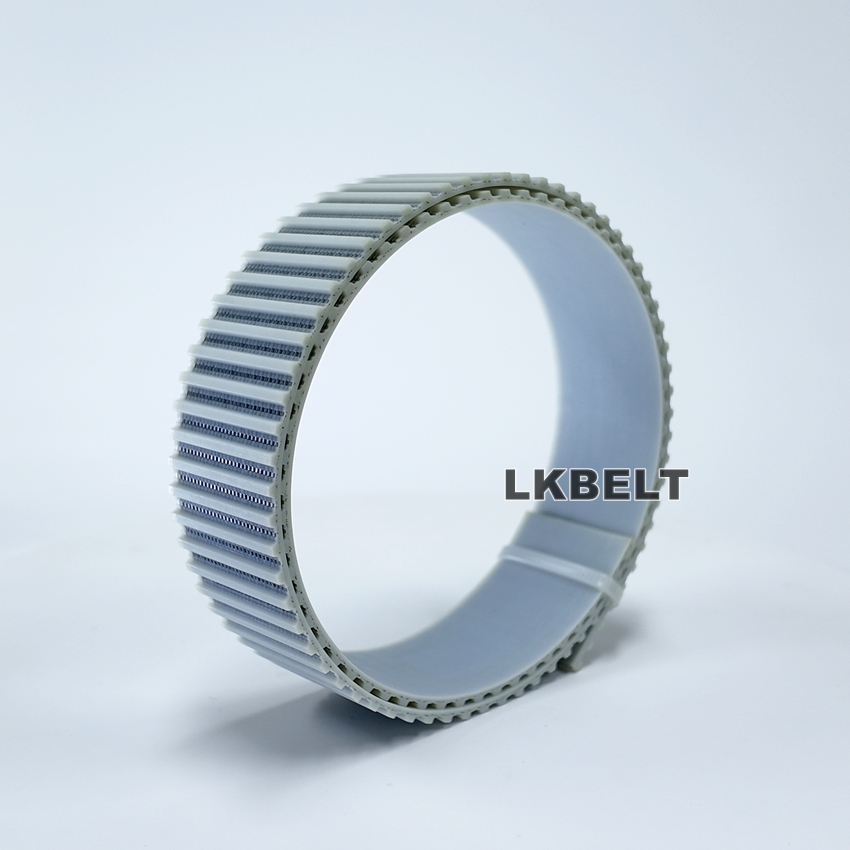
PU timing belts
For an existing synchronous position, define the pulley system, complete loop and working-face features.
Explore product family
Flat conveyor range
Provide the original broad-belt reference, support bed, joint and process conditions for construction review.
Explore product family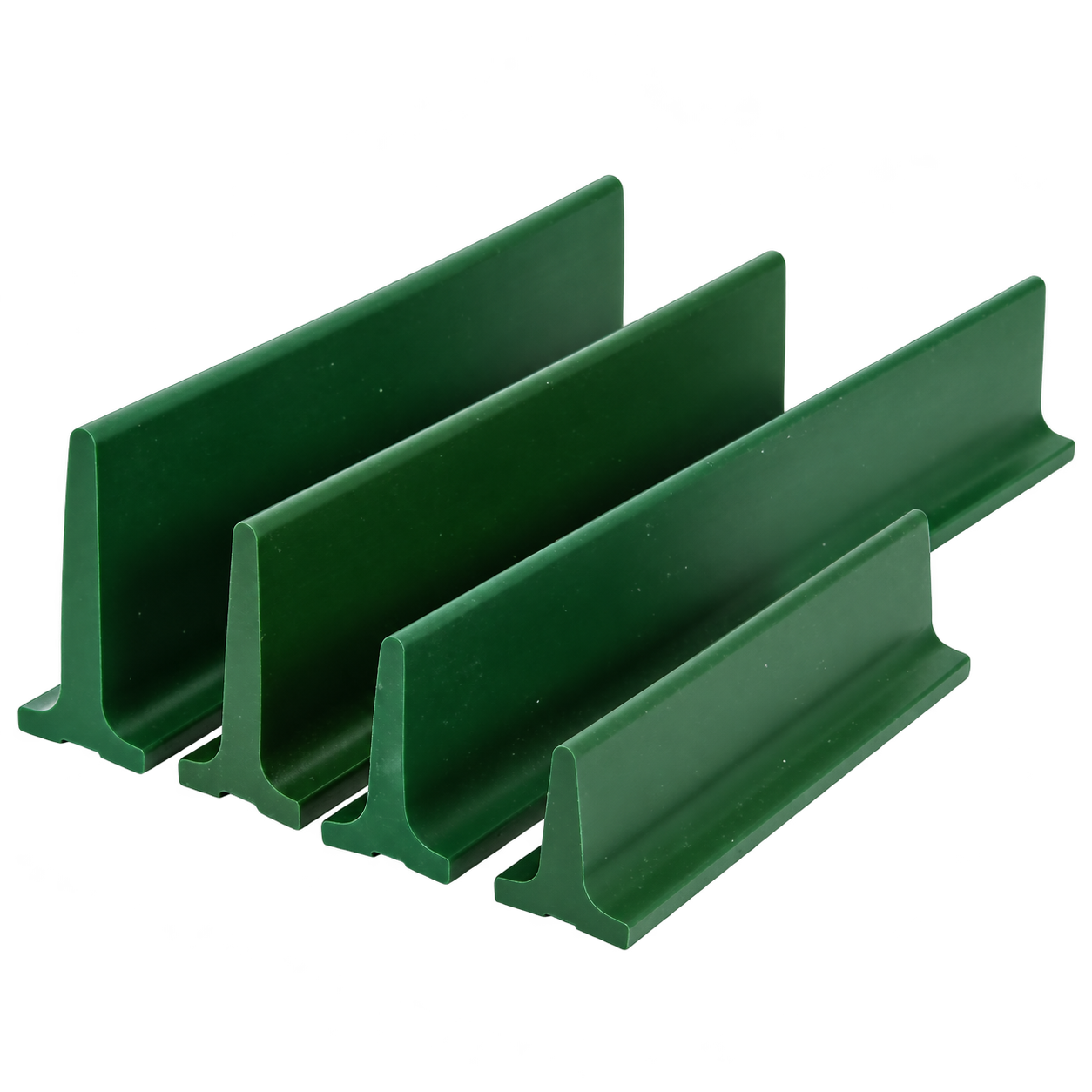
Belt accessories
Include any guide or fitted feature in the drawing with its location and machine clearances.
Explore product familyLook at the underside of the stone and the belt
Product support
Show the footprint, underside and supported span. Include the smallest cut piece as well as the largest slab, since a support arrangement that carries one format may need closer review for another.
Machine-side support
Document the slider bed or rollers, guides and belt underside. The top surface carries the stone while the lower surface runs against the machine; both contacts belong in the finished specification.
Working-zone contact
Identify whether the component is a lower conveying belt, an upper pressure belt or a separate drive. Provide the original machine drawing where the belt participates directly in processing.
Separate abrasion, slurry and contact temperature
Wet processing
Record water and additives, temperature, contact duration and stops with retained slurry. Include the cleaning procedure and the areas where residues build up on the return path.
Abrasive particles
Show surface wear, embedded particles, edges and guide contact. Describe the stone and process producing the debris; include cleaning access and supporting-component condition in the review.
Loading and concentrated force
State how the slab is placed on the conveyor, the maximum mass and any concentrated contact. Keep operating load and process pressure information with the machine reference.
Dry duty and nearby heat
Describe dust extraction and cleaning for dry positions. If a belt works near a heated process, state the measured contact temperature and duration at the actual component.
Choose a construction around the installed process
| Decision | What to compare | What to send |
|---|---|---|
| Grip and finish | Product control against underside condition and required appearance. | Stone samples, original face and process duty. |
| Texture and cleaning | Contact pattern, retained particles and access for residue removal. | Wet/dry exposure and cleaning procedure. |
| Belt and support bed | Carrying construction, machine-side friction and load distribution. | Bed drawing, support condition and original underside. |
| Joint and installation | Surface continuity, bend path and access for replacement. | Original joint, pulley dimensions and installation plan. |
Record dimensions and support as one specification
Photograph the belt in the machine before removal, including both sides and the joint. Keep requested new dimensions distinct from measurements of a worn belt and record the method used for circumference.
| Specification | Record this information | Why it matters |
|---|---|---|
| Finished loop | Length basis, width, thickness, cover, underside and joint. | Defines the replacement component and installed clearances. |
| Support and bends | Bed/roller layout, pulley diameters, reverse bends and guides. | Shows the running path and machine-side contact. |
| Stone range | Material, dimensions, thickness, mass and supported face. | Defines representative products for the trial. |
| Timing components | Profile, pitch, tooth count, width, reinforcement and attachments. | Identifies the mating system and any synchronized features. |
Record wear and finish changes by location
Uneven carrying-face wear
Map the worn track against slab width, loading and the working zone. Include belt and support-bed photographs so the sample review covers the actual contact arrangement.
Stone movement or inconsistent feed
Record the operating stage, wet condition, product footprint and support. Compare the original machine settings and drive observations before changing the cover alone.
Joint or edge damage
Show the entire joint and both belt edges, plus guides and nearby clearances. Include the time in service, installation history and any recent change in material or process.
Agree a sample review around your process
Agree the duty and drawing
Confirm machine position, construction, dimensions, stone range, operating conditions and any required documentation. Identify specialist finishing components by their original reference.
Review installation
Check joint, support bed, pulley path, guides and clearances under the machine procedure. Keep settings and construction details in the trial record.
Use representative stone
Evaluate the intended formats and operating conditions, including loading, the working zone and discharge. Inspect contact tracks, product movement and residue accumulation.
Approve repeat supply
Retain accepted drawings, sample identity and inspection results. Confirm quantity, delivery and installation timing against the approved construction.
Stone-processing belt questions
How do I specify a replacement belt for a stone-polishing machine?
Send the original belt code or drawing, the conveying position and the machine support arrangement. Include slab dimensions and mass, water or slurry exposure, finished belt dimensions and joint details so we can review the required construction.
Can wet and dry positions use one specification?
Review each duty separately. Water, slurry, dry dust, support and joint requirements may differ across machines and positions.
What stone information should I provide?
Send material, maximum and minimum format, thickness, mass, underside condition and the face supported. Include the exact processing stage and any product finish requirement.
Can I order from width and length alone?
Add thickness, cover, underside, joint, support and installed path. For a timing component, include the tooth and pulley system as well.
What helps investigate marking or feed changes?
Send photographs of the product, carrying face, support bed and installation, with location, operating conditions and the time when the change appears.
Discuss your stone-processing belt position
Send the machine reference, belt function, original code and drawing. Include the stone format and mass, support arrangement, water or slurry exposure, finished dimensions and joint.
For a finishing position, include the working-zone drawing and operating conditions. Add quantity, destination, replacement schedule and the sample criteria required for approval.
Send your drawing or original belt reference
Include the quantity, delivery destination, replacement schedule and any sample approval requirements. Clear photographs of the working face, underside and installed position help us review the construction.
Get a Quote