
Belts for Printing, Paper & Packaging
Match belt traction and movement to the sheet, carton or package. Review feeding, folder-gluer handling, synchronized machine positions and finished-pack transfer.
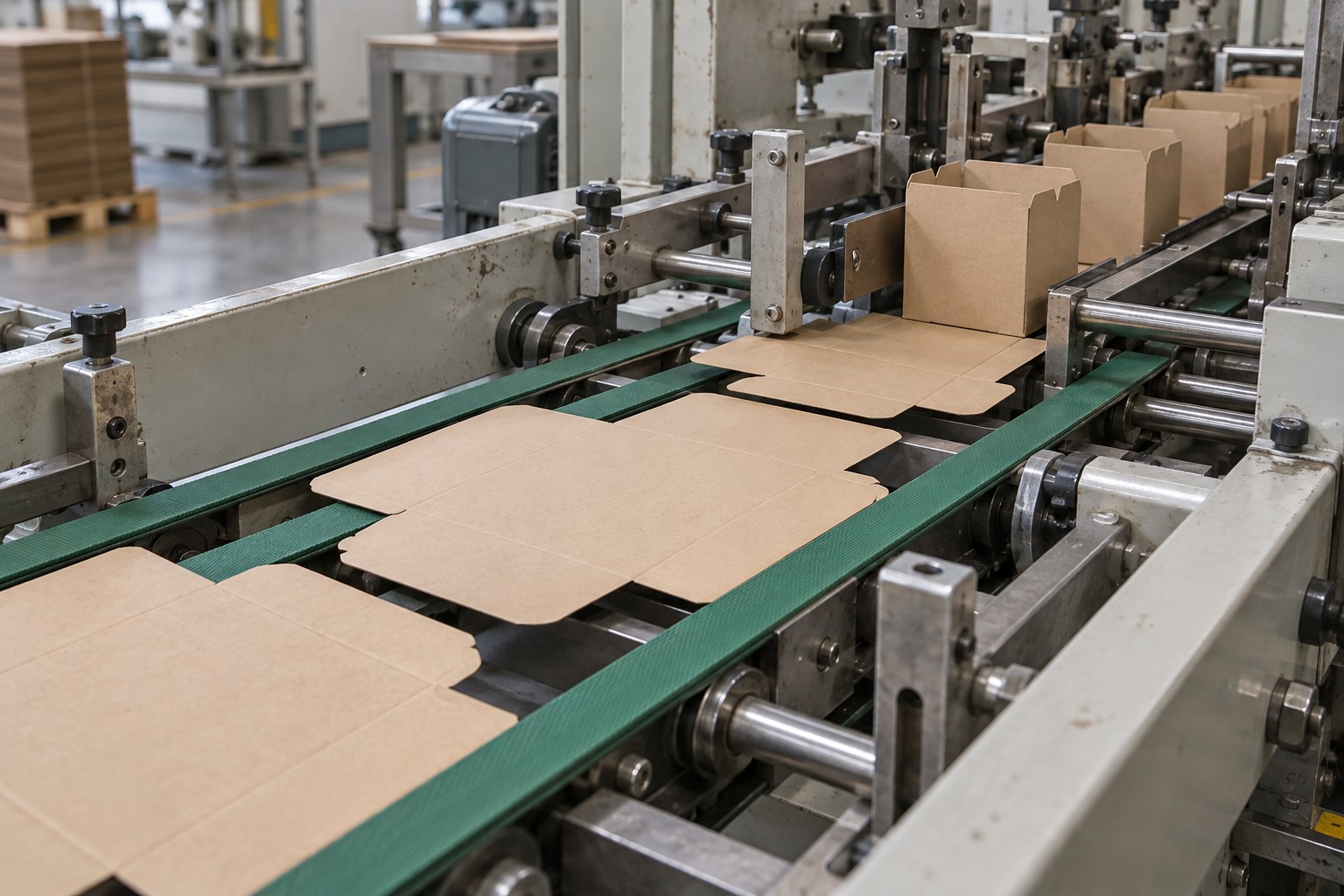
Separate sheet handling from package transport
A paper and packaging line may use a broad conveyor, narrow feeder belts, opposed gripping belts and toothed transmission belts. These components perform different jobs. Identify the machine position and how the material is controlled before choosing a replacement.
Record the paper or board grade, coating, thickness and printed face. Include speed, sheet size range, contact pressure and exposure to glue, ink or cleaning agents where relevant. A useful quotation connects those conditions to a drawing or original reference.
Feeding & separation
Identify single-sheet delivery, belt contact and the separator arrangement.
Conveying & positioning
Record registration points, contact face and drive relationship.
Folding & gluing
Distinguish feeder, folding, pressure and delivery belt positions.
Packaging & discharge
Review synchronized drive components and finished-pack handovers.
One machine can contain several belt constructions
| Machine position | Belt duty | Selection priorities |
|---|---|---|
| Sheet or board feeder | Transfers material from the feed section into the process. | Stock variation, grip, thickness, bends and original reference. |
| Folder-gluer position | Carries, folds or controls a carton blank at a specific point. | Top/bottom role, width, face, flexing path and contact pressure. |
| Synchronous machine drive | Moves a toothed component in step with the pulley system. | Tooth geometry, pitch length, reinforcement and attachments. |
| Finished-pack conveyor | Carries cartons or wrapped products after the process. | Package underside, weight, accumulation and discharge geometry. |
Connect the application to the belt construction
Explore our belt range for paper handling, carton processing and packaging equipment. Review timing, flat conveying and transmission constructions by their actual role. For a dedicated folder-gluer position, provide the original reference for construction review.
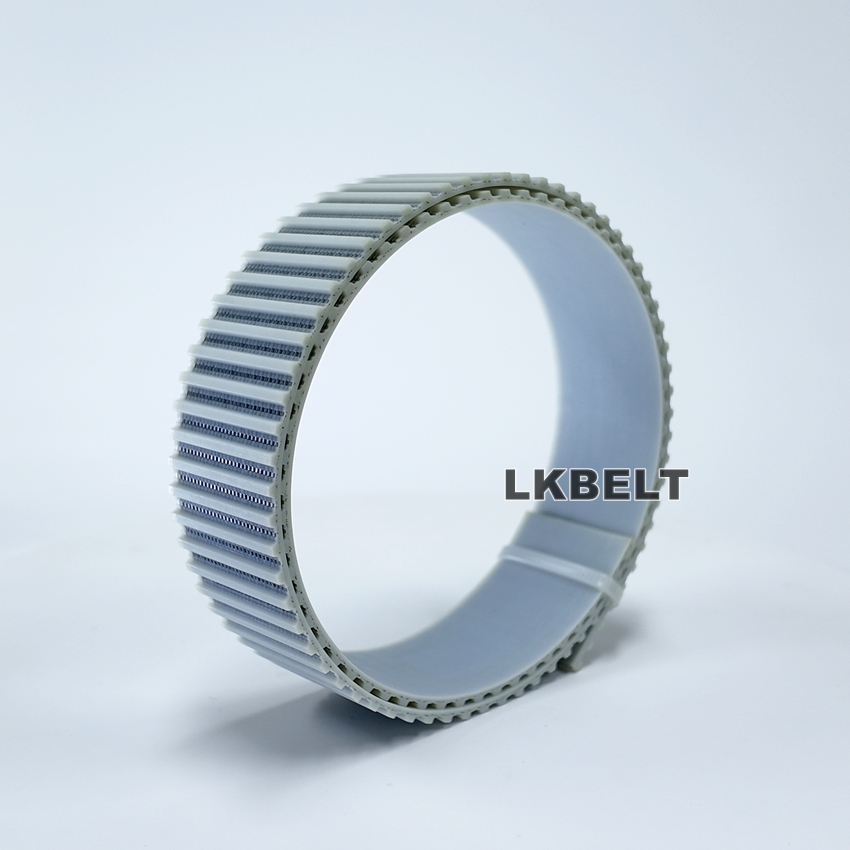
PU timing belts
For synchronized positions, match profile, width, pitch length and any required working-face features.
Explore product family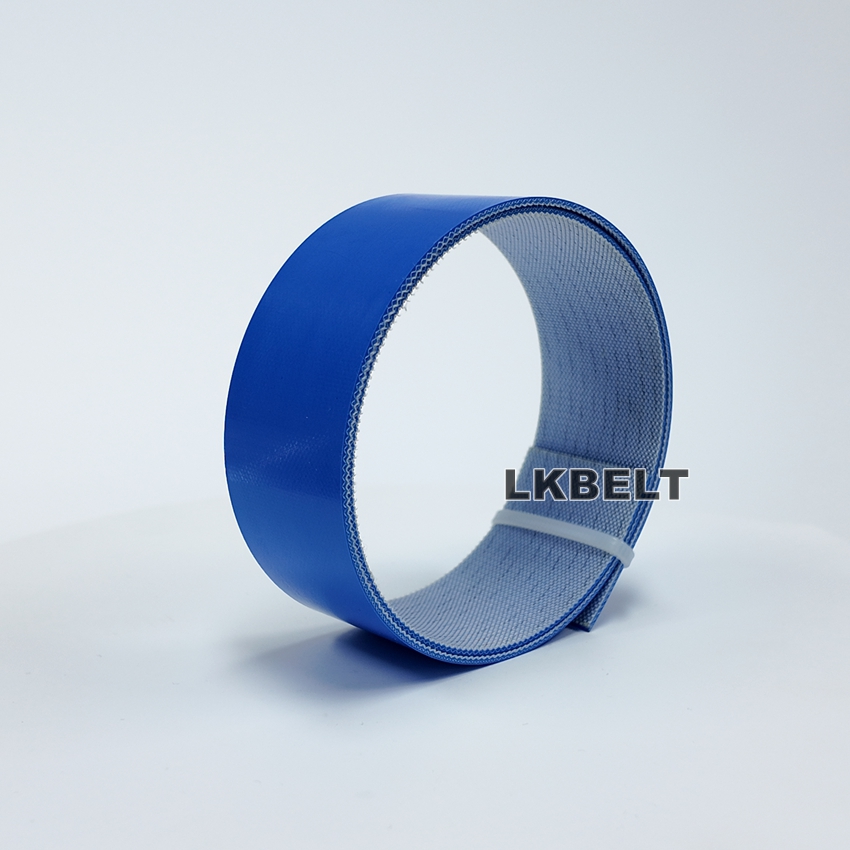
Flat conveying belts
Compare carrying face, fabric, underside and joint for sheets, cartons or downstream packages.
Explore product family
Nylon flat transmission belts
For an existing flat transmission position, send the original construction, pulley path and operating duty for review.
Explore product familyControl the sheet without losing the finish
Grip on the actual stock
Compare uncoated, coated and printed material used in production. Record which face touches the belt and whether feeding changes with dust, coating or humidity. Assess the material range rather than one convenient test sheet.
Opposed belts and pressure
Where two belts grip the material, identify both references and the machine’s matching requirements. Include installed clearances and pressure settings in the trial record; a thickness change affects more than the outer appearance.
Synchronization
For a toothed position, retain the original pulley profile and pitch system. Include any backing, perforations or fixtures in the drawing, with their relationship to the belt teeth and travel direction.
Include dust, adhesives and repeated bending
Paper dust and deposits
Show accumulated dust, fibres and residues on the carrying and return faces. Record the cleaning method and whether slipping or marking changes during a shift.
Glue, ink and cleaners
Name the substances that actually contact the belt, including concentration and temperature where available. Separate incidental contamination from routine exposure in the construction review.
Small pulleys and reverse bends
Document the complete belt route rather than the drive pulley alone. Narrow feeder and folder-gluer positions can follow complex paths; retain the original flexing and joint requirements.
Printed-surface appearance
Agree the acceptance criteria for rub marks, impressions or transferred residue using the customer’s actual printed stock. Inspect after the relevant downstream process as well as at the belt exit.
Compare traction with flexing and surface contact
| Decision | What to compare | What to send |
|---|---|---|
| Grip and marking | Feeding control against the appearance requirement of printed or coated stock. | Representative stock and defect photographs. |
| Thickness and flexibility | Contact geometry against pulley bends and machine clearances. | Original thickness, complete path and pulley dimensions. |
| Friction feed and synchronous motion | Different mechanisms for advancing and positioning the material. | Position drawing and mating pulley or feeder arrangement. |
| Joint and repeat pattern | Surface continuity, installation and periodic contact effects. | Original joint and any repeated mark spacing. |
Identify each narrow belt and its working face
Use position labels for feeder, upper, lower, folding and delivery belts. A list of widths and lengths becomes much more useful when it includes construction, working face and the original belt code.
| Specification | Record this information | Why it matters |
|---|---|---|
| Loop and section | Requested new length basis, width, thickness and face. | Defines the replacement independently of worn measurements. |
| Tooth and pitch | Profile, tooth count/pitch length, width and pulley reference. | Identifies the synchronous system. |
| Fitted features | Backing, perforations, guides and fixture spacing. | Keeps functional details aligned to the machine drawing. |
| Installed path | Smallest pulleys, reverse bends, pressure and access. | Supports joint, flexibility and clearance review. |
Make feeding and marking problems measurable
Double feeds or inconsistent pickup
Record the stock, stack condition, separator arrangement and stage where control changes. Include belt condition and any change over the shift, then compare representative materials during the trial.
Repeated print marks
Show the mark spacing and material face, and photograph residues on the belt and nearby rollers. Compare the repeat pattern with the belt loop and joint before changing the surface.
Uneven carton travel
Label upper and lower positions, stock size and contact settings. Observe when the carton starts to skew and whether the issue changes with format or operating speed.
Agree a sample review around your process
Agree the reference list
Record every position, construction, dimension, surface and original code. Include matching requirements for opposed or parallel belts and the approved drawing for fitted features.
Check fit and motion
Review pulleys, bends, clearances, joint and direction under the machine procedure. Record settings and use the same setup for comparisons.
Run the material range
Use representative grades, coatings, prints and carton sizes. Observe feed, folding, registration and discharge at the required operating conditions.
Inspect and retain results
Keep feeding observations, finished-surface inspection and residue checks with the sample reference. Resolve findings before confirming the production quantity.
Paper and packaging belt questions
Is a folder-gluer belt the same as a general flat conveyor belt?
The machine position controls the construction. Folding, pressure, flexing and feeding roles need their original references and installed paths reviewed individually.
Can a toothed belt replace a friction feeder belt?
They use different drive and handling arrangements. Retain the machine’s intended system and provide the original reference and drawing for replacement review.
What details matter for printed stock?
Include grade, coating, printed face, contact position, speed and appearance criteria. Send representative samples or clear photographs of the marks being investigated.
Can holes or backing be specified?
Provide an approved drawing defining the pattern, material, dimensions and relationship to travel direction or tooth position. Review bends and clearances with the finished design.
What should be sent for several machine positions?
Use a labelled position schedule with construction, dimensions, original codes, photographs and quantity for each belt.
Discuss feeding, folding or packaging belt requirements
Send the machine and exact belt position, stock or package details, original code and requested new dimensions. Include contact face, pulley path and any glue, ink or cleaning exposure.
For multiple references, attach a position list with quantities and drawings. Add the material range and sample criteria used for approval.
Send your drawing or original belt reference
Include the quantity, delivery destination, replacement schedule and any sample approval requirements. Clear photographs of the working face, underside and installed position help us review the construction.
Get a Quote