
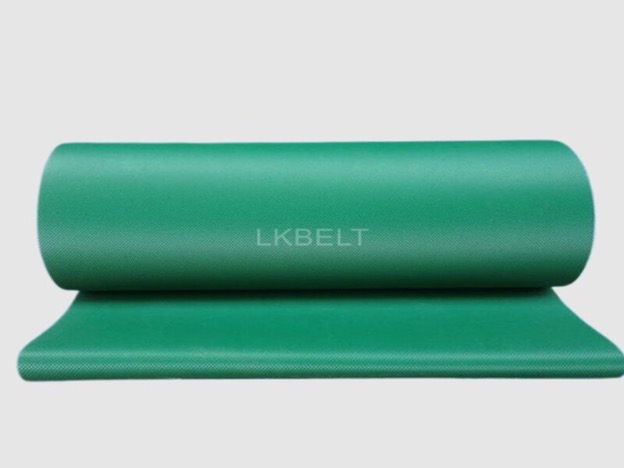
A belt conveyor is one of the most practical and widely used systems for moving materials from one place to another in a controlled and efficient way. Whether it is used in manufacturing plants, warehouses, airports, or mining operations, the core idea remains simple. A continuous loop of material rotates around pulleys, driven by a motor, allowing goods to travel smoothly across distances without the need for manual handling. This simplicity is exactly what makes belt conveyors so powerful in modern industry.
Unlike other conveying systems that depend on chains, screws, or hydraulic mechanisms, a belt conveyor relies on a flexible belt stretched across rollers. This belt becomes the moving surface that carries everything from lightweight packages to heavy industrial materials. Because the system is adaptable, it can be designed to handle delicate food products just as easily as rough aggregates like sand, gravel, or ore. The flexibility in design and application is what has made belt conveyors a backbone of industrial operations worldwide.
One of the defining characteristics of belt conveyors is their ability to transport a wide variety of materials. This directly affects the type of belt used in each system. Belts are typically made from rubber, polymers, or composite materials, each selected based on the environment and the nature of the load. For example, a conveyor handling hot materials requires heat resistant belts, while a food processing line demands hygienic, easy to clean materials such as polyurethane or PVC. This customization ensures both efficiency and durability in different working conditions.
A belt conveyor is not just a belt moving on its own. It is a coordinated system made up of several essential components that work together to maintain motion, stability, and reliability. Each component plays a specific role, and even a small issue in one part can affect the entire system. Understanding these components helps in both design and maintenance.
The head pulley is one of the most important parts of a belt conveyor. It is connected to the motor and is responsible for driving the belt forward. Positioned at the discharge end, it is where materials leave the conveyor. Because it handles the driving force, the head pulley is often coated with a rough surface known as lagging. This improves friction between the belt and the pulley, reducing slippage and ensuring smooth operation. In many systems, the head pulley is also the largest pulley, providing better grip and control over the belt movement. Get more info about Incline Conveyor industry.
At the opposite end of the system is the tail pulley. This pulley sits at the loading point where materials are placed onto the belt. Its role is not just to guide the belt but also to maintain proper tension. In many designs, tail pulleys are built with a winged structure that helps remove debris and prevent material buildup. This is especially useful in environments where loose particles can stick to the belt and cause tracking problems. Some systems include adjustable mechanisms or dedicated tensioning devices to keep the belt tight and aligned during operation.
Running along the length of the conveyor are idler rollers. These rollers support the belt and the load it carries, preventing sagging and ensuring consistent movement. Without idlers, the belt would lose its shape and efficiency, especially when transporting heavy materials over long distances. Idlers also play a role in maintaining alignment and reducing friction, which ultimately extends the life of the conveyor system.
Different types of idlers are used depending on the specific requirements of the conveyor. Troughing idlers are commonly used on the carrying side of the belt. They consist of three rollers arranged in a way that forms a trough shape. This design helps keep materials centered on the belt and reduces spillage, which is crucial in bulk handling applications. Rubber disk idlers are designed to deal with sticky or abrasive materials. The rubbers disks help dislodge material that might otherwise stick to the belt and cause buildup. This reduces maintenance needs and prevents tracking issues.
In some cases, screw idler rollers are used. These have a helical design that helps in cleaning the belt as it moves. They are particularly useful in mobile or compact conveyor systems where traditional cleaning methods are not practical. Trainer idlers are another specialized type designed to correct belt misalignment. They automatically adjust the belt’s position when it starts to drift off center, helping maintain smooth and safe operation.
At the heart of the system lies the conveyor belt itself. It is more than just a moving surface. It must be strong enough to handle tension, flexible enough to move around pulleys, and durable enough to withstand environmental conditions. The performance of the entire conveyor depends heavily on the quality and design of the belt. As conveyors become longer and more demanding, the need for advanced belt materials continues to grow.
The structure of the belt includes what is known as the carcass. This is the internal framework that provides strength and support. It carries the load and absorbs the impact of materials being placed on the belt. The carcass is typically made from steel cords or layers of textile materials such as polyester or aramid fibers. These materials are chosen for their strength and resistance to stretching. In many cases, multiple layers are used to achieve the desired level of durability.
Covering the carcass are the outer layers of the belt, known as covers. These are designed to protect the internal structure and provide the necessary surface properties for specific applications. For example, belts used in high temperature environments need heat resistant covers, while those used in food processing must meet strict hygiene standards. Some belts are designed with textured surfaces, cleats, or corrugations to improve grip and prevent materials from slipping, especially on inclined conveyors.
In certain industrial applications, such as metalworking or scrap handling, steel belts are used instead of traditional rubber or polymer belts. These provide exceptional resistance to wear and high temperatures. On the other hand, plastic belts have become increasingly popular in industries like food processing due to their ease of cleaning and resistance to chemicals. These belts are also lightweight and adaptable, making them suitable for a wide range of uses.
Supporting all these components is the conveyor frame. The frame provides the structural foundation that holds the entire system together. It must be strong enough to support the load, stable enough to maintain alignment, and designed to fit the specific layout of the operation. Frames can range from simple designs for light duty applications to complex truss structures for heavy industrial use.
The design of the frame is critical to the overall performance of the conveyor. A poorly designed frame can lead to belt misalignment, increased wear, and even system failure. In extreme cases, structural issues can result in downtime, safety hazards, and financial losses. For this reason, careful planning and engineering are essential when designing a conveyor system.
Additional features can also be integrated into the conveyor frame to improve functionality and safety. Walkways, lighting, and protective covers are often added to make maintenance easier and to protect both workers and materials. However, these additions must be carefully considered to avoid overloading the structure or interfering with the operation of the conveyor.
Belt conveyors are used in a wide range of industries because of their versatility and efficiency. In manufacturing, they are used to move products through different stages of production. In logistics and warehousing, they help streamline the sorting and distribution of packages. Airports rely on conveyor systems for baggage handling, ensuring that luggage is transported quickly and accurately. In mining and construction, heavy duty conveyors move large volumes of materials over long distances, reducing the need for manual labor and heavy vehicles.
The adaptability of belt conveyors also makes them suitable for specialized applications. Inclined conveyors can move materials vertically, while curved conveyors allow for changes in direction without interrupting the flow. Portable conveyors provide flexibility for temporary setups, and enclosed conveyors protect materials from environmental factors such as dust, rain, or contamination.
Despite their advantages, Industrial conveyor belts require proper design, installation, and maintenance to perform effectively. Factors such as load capacity, belt speed, environmental conditions, and system layout must all be considered during the design process. Regular inspections and maintenance are essential to prevent issues such as belt wear, misalignment, and mechanical failures.
In modern industry, there is also a growing focus on sustainability and energy efficiency. Conveyor systems are being designed with eco friendly materials and energy saving technologies. This not only reduces environmental impact but also lowers operating costs over time. Advances in automation and monitoring systems have further improved the performance and reliability of belt conveyors, allowing for real time tracking and predictive maintenance.
Here are some Industrial conveyor belts available online:
1. PU Conveyor Belt for Vegetables, Seafood, Meat Industry
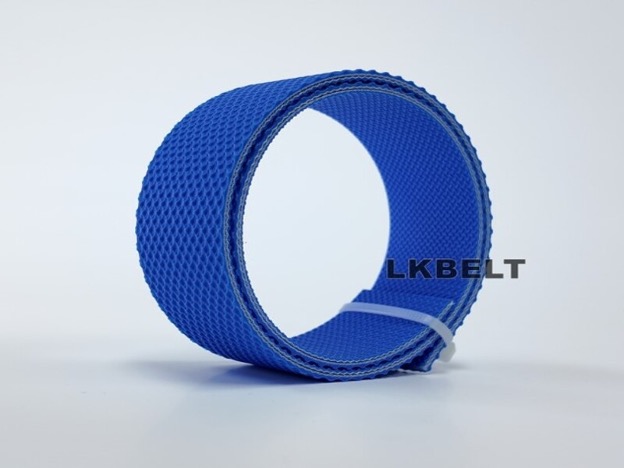
PU conveyor belts are widely used in the food industry due to their durability and hygienic properties they provide smooth and efficient transport of vegetables seafood and meat ensuring minimal damage and contamination their resistance to oils, fats, and cleaning chemicals makes them ideal for wet and demanding environments the flexibility of PU allows belts to handle delicate products without bruising or tearing maintaining consistent speed and performance in processing lines they can be customized in width, thickness, and surface texture to suit different production needs easy to clean and maintain PU conveyor belts help improve overall workflow and food safety compliance
2. White Food Grade Flat PU Conveyor Belt R-2M1720-FDA
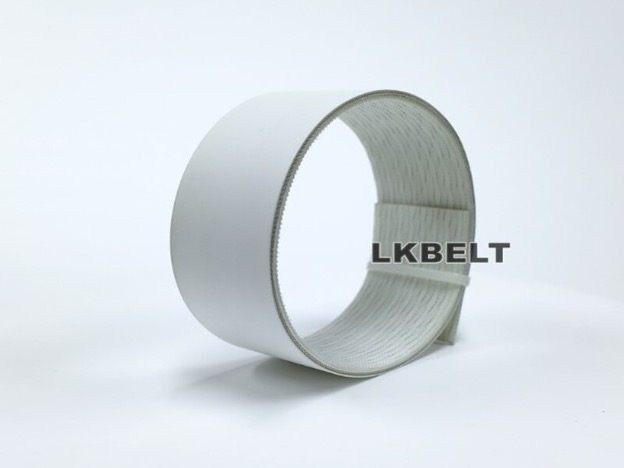
The White Food Grade Flat PU Conveyor Belt R-2M1720-FDA is specifically designed for hygienic food processing applications. Made from high-quality polyurethane, it meets FDA standards for food contact, making it safe for handling vegetables, seafood, and meat. Its flat surface ensures smooth product transport while minimizing contamination and damage. Resistant to oils, fats, and common cleaning agents, this belt is ideal for wet and demanding processing environments. The PU material provides durability and flexibility, allowing for gentle handling of delicate foods. It is easy to clean and maintain, supporting efficient production lines and strict food safety compliance.
3. Wave Seaweed Pattern PVC Industrial Conveyor Belt
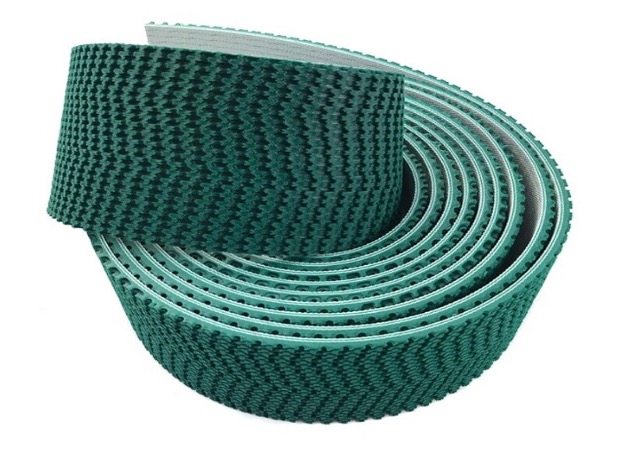
The Wave Seaweed Pattern PVC Industrial Conveyor Belt is designed for specialized material handling in industries requiring strong grip and smooth transport. Its unique wave or seaweed surface pattern provides enhanced traction, preventing slippage of products during conveyance. Made from durable PVC, the belt resists wear, moisture, and chemical exposure, making it suitable for harsh industrial environments. It can handle a wide range of materials, including packaged goods, food items, and light industrial products, while maintaining consistent performance. Easy to install and maintain, this conveyor belt improves efficiency, reduces product damage, and ensures reliable operation in continuous production processes.
4. Super Grip Blue PVC Conveyor Belt PB22N-TA18-FDA
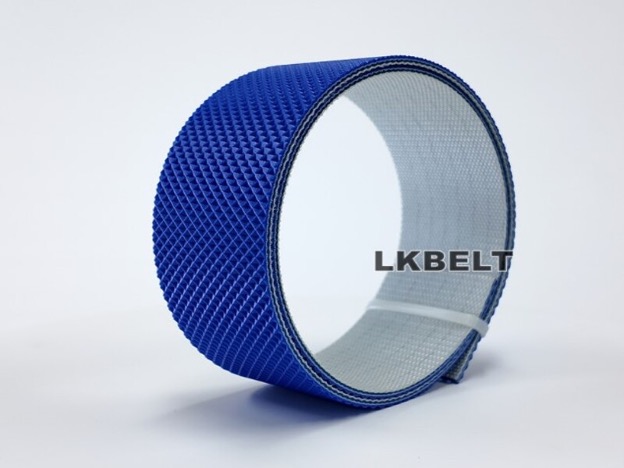
The Super Grip Blue PVC Conveyor Belt PB22N-TA18-FDA is engineered for high-performance food processing and industrial applications. Its bright blue color meets industry standards for easy contamination detection, while the textured surface provides excellent grip, preventing products from slipping during transport. Made from FDA-compliant PVC, it is safe for direct food contact, ideal for handling vegetables, seafood, meat, and packaged foods. The belt is durable, resistant to oils, fats, and cleaning chemicals, and performs reliably in wet or demanding environments. Easy to clean and maintain, this belt supports efficient production lines, reduces product damage, and ensures consistent food safety compliance.
5. PVC Water Drop pattern conveyor belt
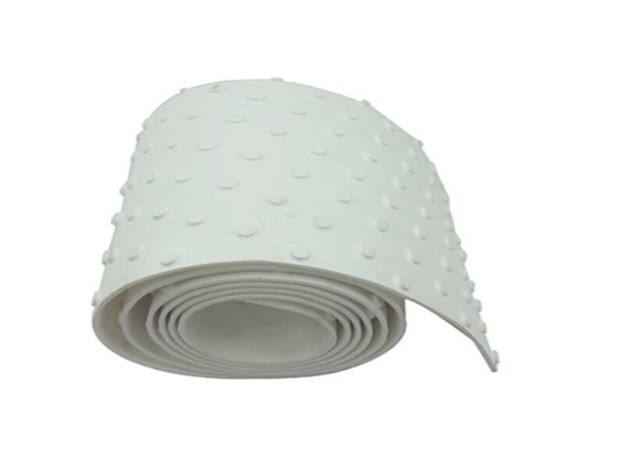
The PVC Water Drop Pattern Conveyor Belt is designed for reliable material handling in both food and industrial applications. Its raised water drop pattern provides extra grip, preventing products from slipping during transport and ensuring smooth movement along the production line. Made from durable PVC, the belt is resistant to wear, moisture, and common cleaning agents, making it suitable for wet or demanding environments. It can handle a variety of products, from packaged goods to fresh food items, while minimizing damage. Easy to clean and maintain, this conveyor belt improves operational efficiency, enhances safety, and supports consistent performance in continuous processing lines.
In conclusion, a belt conveyor is much more than a simple transport mechanism. It is a carefully engineered system that combines mechanical components, material science, and design principles to achieve efficient and reliable material handling. From the head pulley that drives the system to the belt that carries the load and the frame that supports everything, each part plays a crucial role. Understanding how these elements work together is essential for selecting the right conveyor system and ensuring its long term performance. As industries continue to evolve, belt conveyors will remain a key part of modern operations, adapting to new challenges and delivering consistent results across a wide range of applications.