
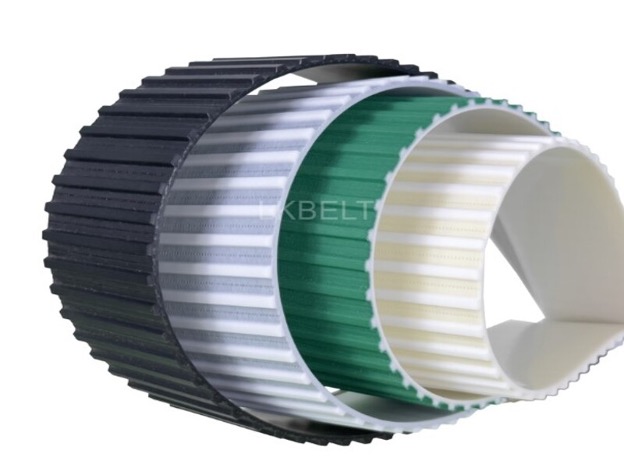
A timing belt, often referred to as a cam belt, is one of those components in a vehicle that most drivers rarely think about until something goes wrong. Yet it plays a critical role in how your engine operates, and without it, your car simply would not function properly. Understanding what a timing belt does, why it matters, and when it should be replaced can save you from costly repairs and unexpected breakdowns.
At its core, a Timing belt for packaging machine is responsible for keeping your engine’s internal components moving in perfect synchronization. Inside your engine, there are two major parts that must work together with absolute precision. The camshaft controls the opening and closing of the engine’s valves, allowing air and fuel to enter and exhaust gases to leave. The crankshaft, on the other hand, moves the pistons up and down. For your engine to run smoothly, these movements must happen in exact harmony. The timing belt ensures that this synchronization is maintained at all times.
Even a slight misalignment between the camshaft and crankshaft can lead to serious engine damage. This is why the timing belt is considered such a vital component. It is not just another part of the engine but a key element that keeps everything working together seamlessly. Because of this, vehicle manufacturers always recommend replacing the timing belt at specific intervals, which are usually based on mileage, age, or a combination of both.
While many vehicles use timing belts, others are equipped with timing chains instead. The difference between the two mainly comes down to the materials and durability. Timing belts are made from strong rubber composites, while timing chains are constructed from metal, similar to a bicycle chain. Due to their construction and constant lubrication from engine oil, timing chains tend to last longer than belts. However, they are often more expensive to replace and can be more complex to work on. If you are unsure which system your vehicle uses, the easiest way to find out is by checking your owner’s manual.
Knowing when to replace a timing belt is extremely important. Manufacturers provide recommended replacement intervals, and these should always be followed closely. In most cases, timing belts are replaced somewhere between 60,000 and 100,000 miles, although this can vary depending on the make and model of the vehicle. Age also plays a role, as the rubber material of the belt can degrade over time even if the car is not driven frequently. Occasionally, manufacturers may update these intervals based on new data or technical recalls, so staying informed is always a good idea.
Although timing belts are designed to last for a long time, they can sometimes fail earlier than expected. There are a few warning signs that may indicate a problem. One of the most common is unusual noise coming from the engine. If you hear a rubbing or ticking sound, it could suggest that the belt is wearing out or becoming misaligned. In such cases, it is best to turn off the engine and have it inspected by a professional as soon as possible.
Another possible sign is difficulty starting the car. While there can be many reasons why a vehicle does not start, a faulty timing belt is one of them. If the belt has slipped or broken, the engine will not be able to operate correctly, preventing the car from starting. In situations like this, contacting a breakdown service is the safest course of action.
There are several reasons why a timing belt might break. One of the most common causes is simply failing to replace it within the recommended interval. Over time, the belt experiences wear and tear, and eventually, it can no longer withstand the stress of engine operation. Another possible cause is contamination from other failing components. For example, if an auxiliary belt begins to deteriorate; small fibers can become lodged in the timing system. This can cause the timing belt to slip or even come off entirely.
Regular maintenance is the best way to avoid these issues. Having your car serviced annually allows mechanics to check the condition of the timing belt and identify any potential problems early. This proactive approach not only helps prevent breakdowns but also provides peace of mind, knowing that your engine is in good condition. Get more info about Industrial belts.
If a timing belt does break while you are driving, the consequences can be serious. In most cases, the engine will stop immediately. This can also affect other systems in the car. For instance, the power steering may become much heavier, making it harder to control the vehicle. The brake pedal can also feel stiffer after a few presses, requiring more force to slow down. If this happens, it is important to remain calm, pull over to a safe location, and call for assistance right away.
Here is some Timing belt for CNC machine available online:
1. Customized PU Timing Belt for Tobacco Industry
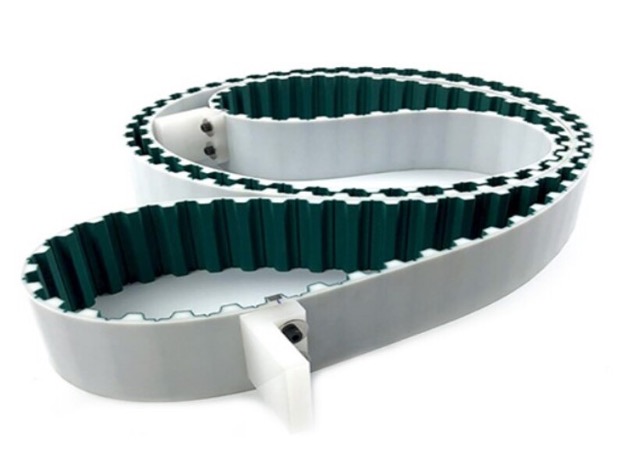
The primary advantage of using PU in this sector is its inherent cleanliness and durability. Polyurethane is naturally resistant to oils, chemicals, and the abrasive nature of tobacco dust. Furthermore, these belts are often manufactured using food-grade compounds that comply with international safety standards, ensuring that no harmful substances migrate into the product. The customization process allows for the integration of specific tensile members, such as aramid or stainless steel cords, which provide high longitudinal stability and prevent stretching over long production runs.
2. Double-Side Rubber Timing Belt
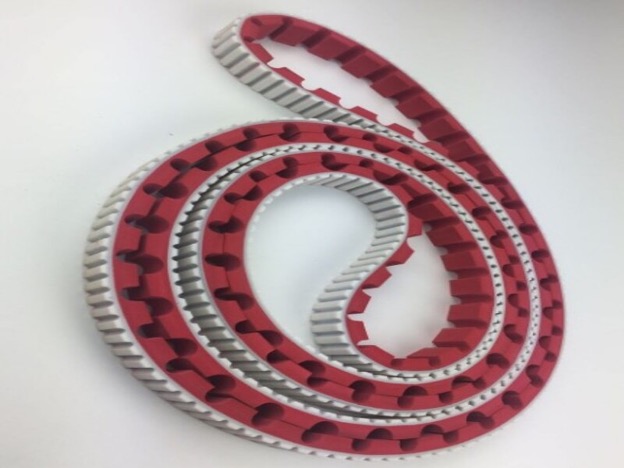
The double-sided rubber timing belt is a sophisticated power transmission component engineered to provide synchronous driving capabilities from both its internal and external surfaces. This specialized design allows a single belt to rotate multiple pulleys in opposing directions simultaneously, which is a critical requirement for complex serpentine drive systems. The construction of these belts typically centers on a high-quality chloroprene rubber compound that offers significant resistance to environmental factors such as oil, heat, and ozone, ensuring a long service life even in demanding industrial settings.
3. Green Rubber Timing Belt
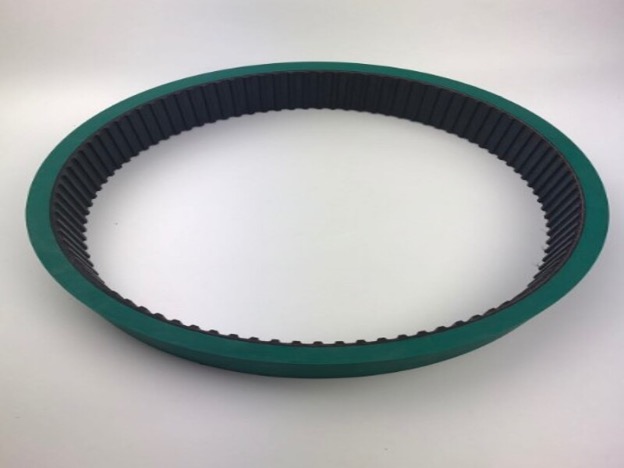
The green rubber timing belt is a specialized synchronous belt widely utilized in industries that require high friction and superior wear resistance for conveying and positioning tasks. Unlike standard black rubber belts, these often feature a natural or synthetic green rubber top layer that provides a unique balance of grip and durability. This specific color and material composition are frequently chosen for applications where the belt must interact directly with the product being moved, such as in the packaging, paper, and textile industries.
4. Felt Coated PU Timing Belt ATK10
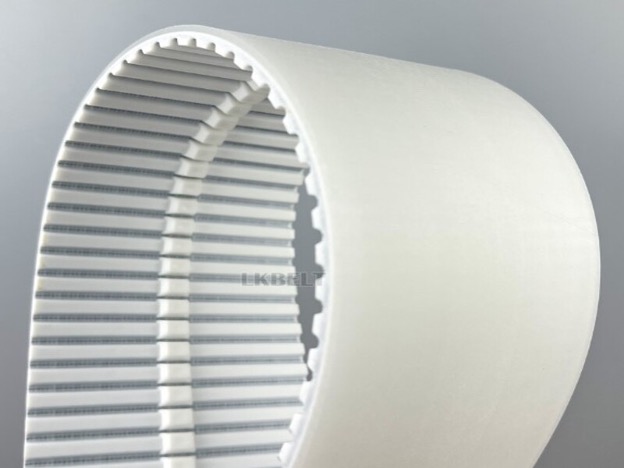
The Felt Coated PU Timing Belt ATK10 is a specialized synchronous belt designed specifically for applications that require the delicate handling of sensitive surfaces. The “ATK10” designation indicates a metric pitch of 10mm with a reinforced “K” guide, which is a tracking profile integrated into the tooth side of the belt. This tracking guide ensures that the belt remains perfectly centered on the pulleys even during high-speed operation or when subjected to lateral forces, making it an excellent choice for long-distance conveying systems.
5. Perforated PU Timing Belt with Steel Cord
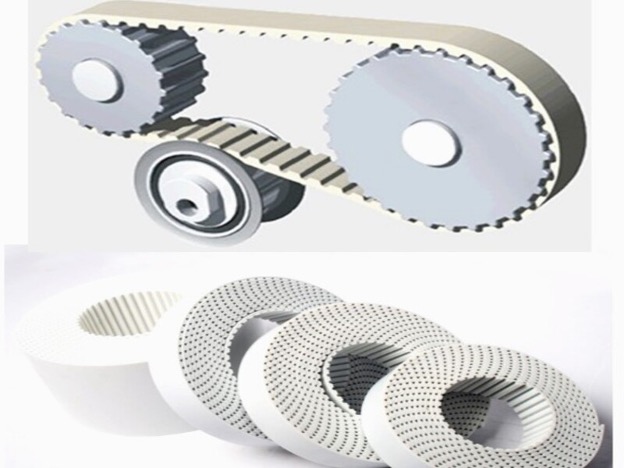
The perforated PU timing belt with steel cord is a high-performance synchronous component engineered for specialized industrial tasks that require vacuum suction, indexing, or the attachment of custom cleats. These belts are manufactured from thermoplastic polyurethane, which offers superior wear resistance and protection against oils, greases, and chemicals. The “perforated” designation refers to the precision-drilled or punched holes that pass through the entire thickness of the belt, allowing air to be drawn through to create a vacuum seal or providing mounting points for mechanical components.
In the end, the timing belt may not be visible or frequently discussed, but its importance cannot be overstated. It is a small component with a huge responsibility, ensuring that your engine runs smoothly and efficiently. Ignoring it can lead to severe damage and expensive repairs, while taking care of it through regular checks and timely replacement can keep your vehicle running reliably for years. Understanding how it works and staying on top of maintenance is one of the smartest things any car owner can do.