
Over the past 50+ years, global industrial transmission belts have undergone remarkable technological evolution—here’s the key journey:
Material InnovationRubber advanced from natural to synthetic, then to high-performance specialized rubbers like CSM and HNBR. Reinforcement materials expanded from cotton to rayon, polyester, glass fibers, steel cords, and aramid—laying the foundation for durability.Product Upgrades
- 1960s: Cut-edge V-belts replaced wrapped versions with unclad sidewalls and superior flex fatigue resistance.
- 1980s: V-ribbed belts (combining flat and V-belt advantages) surged in output, while narrow V-belts enabled smaller, energy-efficient transmission systems.
- Game-changer: Serpentine drive (one belt driving multiple components like automotive fans/AC) boosted hexagonal/round belt applications.
- Latest star: Toothed (synchronous) belts integrate gear/chain/belt benefits—high efficiency, precise ratio, low noise, and eco-friendly quiet operation. Industrialized in the 1980s, high-precision HNBR/polyurethane mini versions now lead high-tech sectors. Recent upgrades to curvilinear teeth further enhanced transmission power.
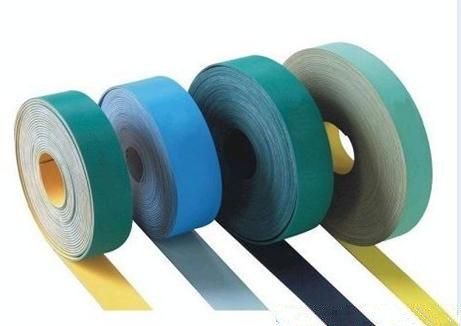
Future TrendDriven by diverse machinery demands and price gaps, belts will focus on structural/material diversification with wider applications and specs. Market share: V-belts (60%), toothed belts (30%), flat belts (10%)—fluctuating around 6:3:1.From basic rubber belts to high-tech synchronous solutions, industrial belts keep powering global manufacturing’s efficiency and miniaturization!