
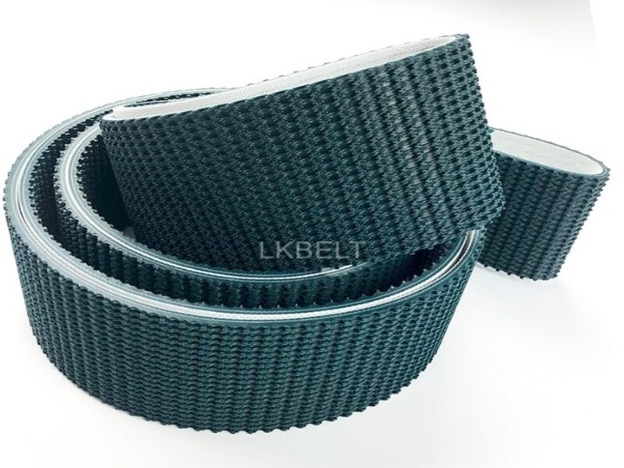
Conveyor belts have become an essential part of modern production environments, especially in agriculture and horticulture where efficiency, consistency, and scalability play a critical role in daily operations. Over the years, these systems have evolved from simple transport tools into highly adaptable solutions that connect various stages of production into one smooth and continuous process. In today’s advanced farming setups and industrial facilities, it is almost impossible to imagine workflow organization without the support of conveyor systems. They are widely used in plant production, particularly during potting and handling processes, where multiple machines must work together in harmony. Conveyor belts seamlessly link equipment such as potting machines, irrigation units, and watering stations, creating a unified and efficient production line.
In recent years, their application has expanded even further. Conveyor belts are no longer limited to greenhouse environments or indoor production facilities. They are increasingly being used across open farms, where they help transport plants from one location to another, including moving them from production zones to growing fields or packaging areas. This level of flexibility makes them one of the most valuable logistical tools in agriculture. Their presence significantly reduces manual labor, minimizes handling errors, and ensures that plants are transported safely and efficiently across different stages of growth and processing.
The basic construction of conveyor belts is relatively simple, which contributes to their reliability and ease of use. Most systems are built around durable aluminum profiles that provide a stable frame for the moving belt. These profiles are designed to support the belt while maintaining structural integrity under different loads. However, not all profiles are created equal, and choosing the right type is a crucial decision. The technical parameters of the structure must match the intended application. For example, transporting lightweight pots requires a different setup compared to handling heavier plant containers or bulk loads. If the structural profile is not strong enough for the intended use, it can lead to system instability, increased wear, or even complete failure over time. This is why careful consideration of load capacity, material strength, and overall design is essential before selecting a conveyor system.
Equally important is the transport belt itself, which serves as the core element responsible for moving items along the conveyor. The belt is where pots, trays, or other materials are placed, and its quality directly affects the performance and lifespan of the entire system. Conveyor belts are available in a wide range of materials, textures, and thicknesses, each designed for specific conditions and applications. Some belts are optimized for dry environments, while others are built to withstand constant exposure to water, such as in irrigation or washing processes. The thickness and surface design of the belt also play a role in ensuring proper grip and smooth movement. Choosing the wrong type of belt can lead to slipping, uneven transport, or premature wear. For this reason, it is always advisable to carefully evaluate the working conditions and consult with experts before making a final decision. Investing a bit more time in selecting the right belt can prevent costly issues and downtime in the future. Get more info about Incline Conveyor industry.
Another critical component of conveyor systems is the drive mechanism, which powers the movement of the belt. Without a proper drive system, even the most well-designed conveyor structure cannot function effectively. There are generally two main types of drive systems used in conveyor belts. The first involves a central drive unit that transfers power to multiple connected conveyor sections. This system typically includes a motor, gearbox, and control components that regulate speed and direction. The drive unit is usually positioned at the beginning of the conveyor line and is connected to other sections through a transmission system. This setup allows several conveyor units to operate together using a single motor, making it a cost-effective solution for longer. Depending on the application and load requirements, a single drive unit can power a conveyor line of considerable length, often reaching several dozen meters.
The second type of system uses independently driven conveyor units, where each section has its own motor. These self-contained units offer greater flexibility, as they can operate individually or be combined into longer without relying on a central drive. This makes it easier to rearrange or reconfigure the system based on changing needs. For example, if a specific section needs to be moved or used separately, it can function independently without affecting the rest of the line. While these systems may involve a slightly higher initial investment, they provide unmatched adaptability and ease of customization. This is particularly useful in dynamic production environments where workflows frequently change.
Conveyor belts are valued not only for their structural simplicity and reliable operation but also for their versatility in practical use. One of their key advantages is the ability to change the direction of movement easily. Most systems allow for quick switching between forward and reverse operation, enabling users to adapt to seasonal or operational changes. For instance, during one period, the system may be used to transport plants to growing areas, while at another time; it can be used to bring harvested plants back to processing or packaging zones. This flexibility enhances efficiency and reduces the need for additional equipment.
Speed control is another important feature that adds to the functionality of conveyor systems. Depending on the setup, speed can be adjusted using mechanical controls or advanced electronic systems. In centralized drive systems, adjusting the speed of the main unit affects the entire conveyor line. In contrast, independently driven units may allow for individual speed adjustments, providing greater control over specific sections of the process. This level of precision is particularly beneficial when handling delicate plants or coordinating multiple stages of production.
Installation options further highlight the adaptability of conveyor belts. They can be placed directly on the ground using built-in supports, which typically position the belt at a convenient working height. This method is simple and quick to implement, making it suitable for temporary or flexible setups. Alternatively, conveyor belts can be mounted on adjustable supports that allow users to modify the height according to their needs. This is especially useful when integrating the system with other equipment or accommodating different working conditions. In more permanent installations, conveyor systems can be mounted on fixed structures within production facilities, providing a stable and long-term solution.
Beyond individual, Industrial belts can be combined to create complex transportation systems that cover large areas. By connecting multiple units, it is possible to design customized layouts that guide the movement of plants or materials across an entire facility. These systems can include straight sections as well as angled connections, allowing for directional changes and efficient routing. Specialized components such as bends, transfer units, or rotating tables can be added to handle more complex movements. This level of customization enables producers to optimize their logistics and ensure smooth transitions between different of production.
The ability to create integrated transport systems is one of the most powerful advantages of conveyor belts. With careful planning and proper configuration, they can form the backbone of an efficient logistical network that supports every stage of production. Whether it is moving plants from potting to watering, transferring them to growing areas, or preparing them for packaging and shipment, conveyor systems provide a reliable and scalable solution.
Here are some Industrial conveyor belts available online:
1. PVC Water Drop Pattern Conveyor Belt
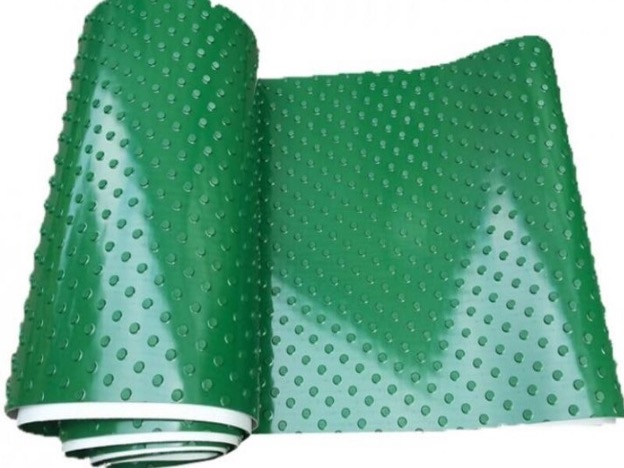
The PVC Water Drop Pattern Conveyor Belt is crafted for efficient and secure transport of products in food and industrial processing lines. Its raised water drop surface pattern enhances traction, preventing slippage of items such as vegetables, seafood, meat, or packaged goods during conveyance. Constructed from durable PVC, the belt is resistant to moisture, wear, and cleaning chemicals, making it ideal for wet and demanding environments. The design allows gentle handling of delicate products while maintaining smooth operation. Easy to clean and maintain, this conveyor belt ensures reliable performance, reduces product damage, and supports safe, hygienic, and efficient production workflows.
2. PVC Pinstriped Pattern Conveyor Belt
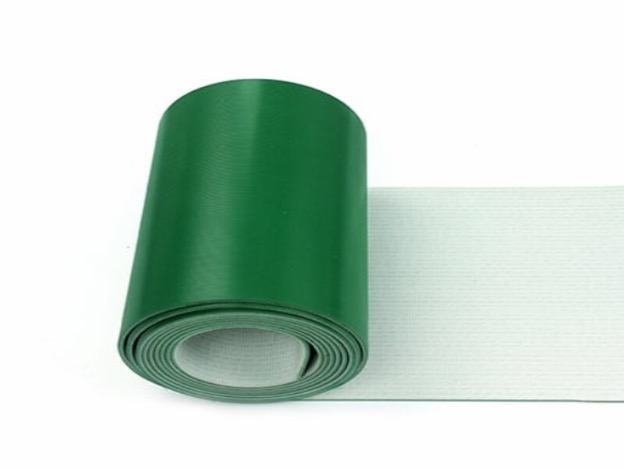
The PVC Pinstriped Pattern Conveyor Belt is designed to provide reliable product transport with enhanced grip and stability. Its pinstriped surface helps prevent slipping of items during movement, making it suitable for vegetables, seafood, meat, and packaged goods in food processing lines. Made from durable PVC, the belt resists moisture, oils, and cleaning chemicals, ensuring long-lasting performance even in wet or demanding environments. The pinstriped pattern allows gentle handling of delicate products while maintaining smooth conveyance. Easy to clean and maintain, this conveyor belt improves operational efficiency, reduces product damage, and supports safe and hygienic production processes.
3. PVC Industrial Flat Conveyor Belt Yellow PB20-Y
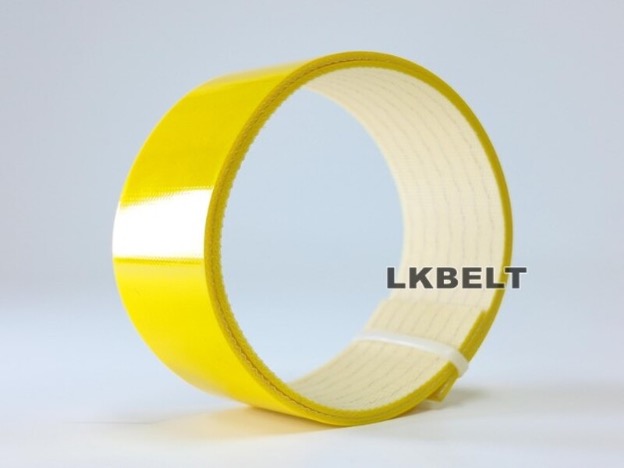
The PVC Industrial Flat Conveyor Belt Yellow PB20-Y is a high-performance solution designed for smooth and reliable material handling in a wide range of industrial and food processing applications. Its flat, even surface ensures that products such as packaged goods, fresh vegetables, seafood, and meat are transported steadily without damage, reducing product loss and maintaining operational efficiency. Constructed from durable PVC, this belt is resistant to wear, moisture, and a variety of cleaning chemicals, making it suitable for the demanding conditions of modern production environments. The bright yellow color is not just aesthetic; it allows operators to quickly detect contamination, foreign objects, or areas that need cleaning, improving safety and hygiene standards in food processing lines.
Its robust yet flexible design allows for long-term use while minimizing maintenance downtime, supporting continuous operation and steady workflow. Cleaning and maintenance are straightforward, helping production teams maintain high standards without interrupting processes. The belt’s reliability ensures consistent performance, making it an ideal choice for businesses looking to streamline their conveyor systems and enhance overall productivity. Whether in factories, food processing plants, or packaging facilities, the PVC Industrial Flat Conveyor Belt Yellow PB20-Y combines durability, efficiency, and safety to meet the rigorous demands of modern industrial operations while supporting smooth, continuous handling of a variety of materials.
4. PVC I-Shaped Conveyor Belt
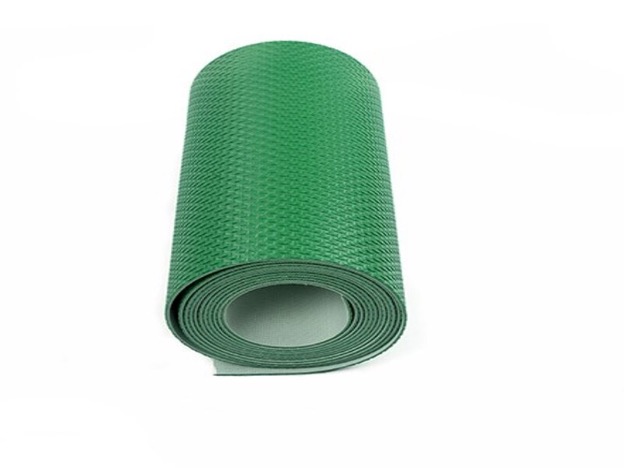
The PVC I-Shaped Conveyor Belt is designed for secure and efficient material transport across food processing and industrial production lines. Its I-shaped surface pattern provides excellent grip, preventing slippage of products such as vegetables, seafood, meat, or packaged goods during conveyance. Constructed from durable PVC, the belt is resistant to moisture, oils, and cleaning agents, ensuring long-lasting performance even in wet or demanding environments. The unique pattern allows for controlled movement of items while minimizing damage. Easy to clean and maintain, this conveyor belt enhances operational efficiency, ensures product safety, and supports smooth, reliable workflow in continuous production processes.
5. PVC Grid Wood Sanding Machine Conveyor Belt
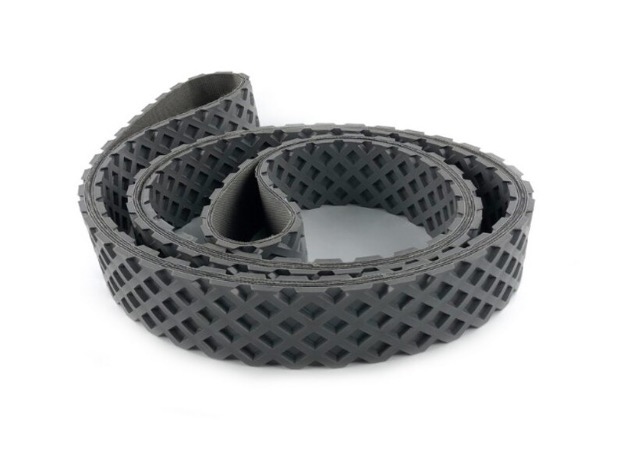
The PVC Grid Wood Sanding Machine Conveyor Belt is specially designed for woodworking applications, providing smooth and consistent transport of wood pieces through sanding and finishing machines. Its grid pattern ensures firm grip and precise positioning, preventing slipping or misalignment of boards during processing. Made from durable PVC, the belt withstands abrasion, dust, and exposure to sanding residues, maintaining long-term performance in demanding industrial environments. The open grid design allows for better airflow and dust removal, improving sanding efficiency and surface quality. Easy to install, clean, and maintain, this conveyor belt enhances productivity, ensures uniform sanding, and supports reliable operation in woodworking production lines.
In conclusion, conveyor belts are indispensable tools in modern agriculture and industrial production. Their simple yet effective design, combined with a high degree of flexibility, makes them suitable for a wide range of applications. From basic transport tasks to complex logistical systems, they offer a practical and efficient way to streamline operations and improve productivity. While they may not be the perfect solution for every situation, their versatility and reliability make them one of the most widely used and trusted systems in the industry. As technology continues to advance, conveyor belts will likely become even more sophisticated, further enhancing their role in supporting modern production and logistics.